
Tracy Punjabi Truck Accident Lawyer
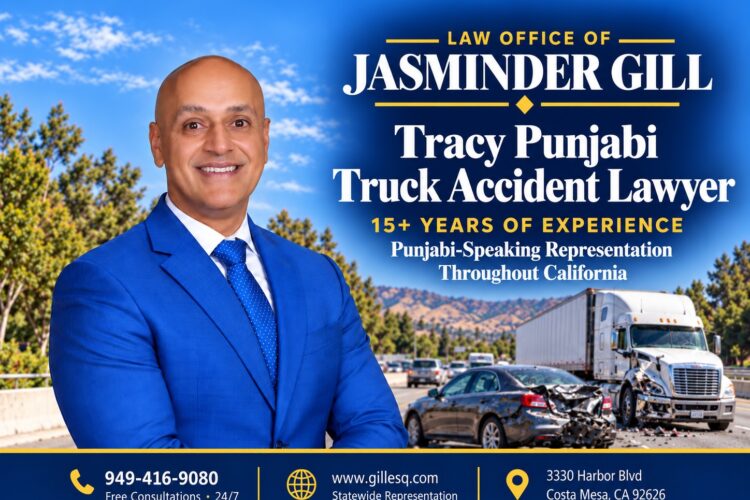
Tracy Punjabi Truck Accident Lawyer for Freeway Collisions, Jackknife Crashes and Cargo-Related Injuries
The Law Office of Jasminder Gill represents people injured in Tracy truck accidents involving semi-trucks, big rigs, 18-wheelers and delivery vehicles. With 15+ years of experience, attorney Jasminder Gill handles serious injury and wrongful death claims, including collisions involving unsafe lane changes, jackknifed trailers and unsecured cargo.
Our team includes CDL holders who bring practical knowledge of commercial trucking to the review of accident circumstances. We investigate driver conduct, trucking company practices and available evidence to identify potentially responsible parties and pursue compensation for medical expenses, lost income, pain and suffering, and future care.
Call 949-416-9080 For A Free Tracy Truck Accident Case Evaluation
Jasminder Gill speaks Punjabi, allowing you to explain what happened, discuss your injuries and ask questions about your claim in Punjabi. Our office serves Tracy clients by phone and video, with no upfront attorney fees. Case costs are governed by the retainer agreement.
ਟ੍ਰੇਸੀ ਵਿੱਚ ਟਰੱਕ ਹਾਦਸੇ ਦੇ ਜ਼ਖ਼ਮੀਆਂ ਲਈ ਪੰਜਾਬੀ ਵਿੱਚ ਕਾਨੂੰਨੀ ਮਦਦ
ਟਰੱਕ ਹਾਦਸੇ ਤੋਂ ਬਾਅਦ ਇਲਾਜ ਦੇ ਖ਼ਰਚੇ, ਕੰਮ ਤੋਂ ਛੁੱਟੀ ਅਤੇ ਪਰਿਵਾਰ ਦੀਆਂ ਲੋੜਾਂ ਸੰਭਾਲਣੀਆਂ ਮੁਸ਼ਕਲ ਹੋ ਸਕਦੀਆਂ ਹਨ। ਜੇ ਤੁਸੀਂ ਟ੍ਰੇਸੀ ਵਿੱਚ ਸੈਮੀ-ਟਰੱਕ, ਬਿੱਗ ਰਿਗ, 18-ਪਹੀਆ ਟਰੱਕ ਜਾਂ ਡਿਲਿਵਰੀ ਟਰੱਕ ਨਾਲ ਹੋਏ ਹਾਦਸੇ ਵਿੱਚ ਜ਼ਖ਼ਮੀ ਹੋਏ ਹੋ, ਤਾਂ Law Office of Jasminder Gill ਨਾਲ ਸੰਪਰਕ ਕਰ ਸਕਦੇ ਹੋ।
ਵਕੀਲ ਜਸਮਿੰਦਰ ਗਿੱਲ ਪੰਜਾਬੀ ਬੋਲਦੇ ਹਨ ਅਤੇ ਉਨ੍ਹਾਂ ਕੋਲ 15 ਸਾਲਾਂ ਤੋਂ ਵੱਧ ਦਾ ਤਜਰਬਾ ਹੈ। ਤੁਸੀਂ ਆਪਣੀਆਂ ਸੱਟਾਂ, ਹਾਦਸੇ ਦੇ ਹਾਲਾਤ ਅਤੇ ਆਪਣੇ ਪਰਿਵਾਰ ਦੀਆਂ ਚਿੰਤਾਵਾਂ ਬਾਰੇ ਪੰਜਾਬੀ ਵਿੱਚ ਗੱਲ ਕਰ ਸਕਦੇ ਹੋ। ਸਾਡਾ ਦਫ਼ਤਰ ਹਾਦਸੇ ਨਾਲ ਸਬੰਧਤ ਸਬੂਤਾਂ, ਡਰਾਈਵਰ ਦੀ ਭੂਮਿਕਾ ਅਤੇ ਟਰੱਕਿੰਗ ਕੰਪਨੀ ਦੀ ਸੰਭਾਵਿਤ ਜ਼ਿੰਮੇਵਾਰੀ ਦੀ ਜਾਂਚ ਕਰਦਾ ਹੈ।
ਟ੍ਰੇਸੀ ਵਿੱਚ ਟਰੱਕ ਹਾਦਸੇ ਤੋਂ ਬਾਅਦ ਆਪਣੇ ਕਾਨੂੰਨੀ ਹੱਕਾਂ ਬਾਰੇ ਜਾਣਨ ਲਈ 949-416-9080 ’ਤੇ ਕਾਲ ਕਰੋ।
Click Here to Message Us on WhatsApp
Truck Accident Representation Where Tracy’s Freight Routes Meet Daily Commuting
For many Tracy families, a freeway trip is part of an ordinary workday. A driver heads toward the Bay Area, returns home after a long shift, or takes a family member to an appointment. Along the same routes, commercial trucks carry freight between distribution facilities, regional highways, and destinations throughout California.
That overlap matters after a collision. An injured commuter may remember a trailer moving across the lane, brake lights appearing ahead, and then an impact. The trucking company may have a different collection of information: dispatch messages, vehicle location records, driver reports, and maintenance documents. A meaningful investigation must connect those accounts with the physical evidence.
Tracy’s surrounding transportation network includes Interstate 205, Interstate 580, and Interstate 5. CHP describes the area’s traffic as a mixture of commercial vehicles and commuters traveling between the Central Valley and the Bay Area.
The Law Office of Jasminder Gill represents people injured in commercial truck collisions and families pursuing wrongful death claims. Attorney Jasminder Gill speaks Punjabi and has practiced law in California since 2009. Phone and video communication allow Tracy clients to discuss their circumstances without making an unnecessary trip while recovering.
A Truck Collision Can Begin Long Before the Moment of Impact
The final driving mistake is often the most visible part of a truck accident. A driver follows too closely, turns across another vehicle, or enters an occupied lane. However, the explanation may involve decisions made earlier in the trip.
A delivery schedule may help explain why a driver continued without adequate rest. Maintenance records may reveal whether a reported brake problem received attention. Loading documents may clarify who handled cargo before a trailer became unstable.
These possibilities require evidence. A trucking company is not automatically responsible for every collision involving its name, and a mechanical problem cannot be assumed simply because a truck failed to stop.
The investigation should begin with specific questions:
- What was each vehicle doing before the collision?
- Which company operated the truck?
- Who owned the tractor and trailer?
- What records describe the trip and the truck’s condition?
- Did another vehicle or business contribute to the sequence?
Answering those questions helps distinguish a supported injury claim from an account built on assumptions.
How Tracy’s Freight Connections Shape the Investigation
A crash on a freeway may involve different evidence than a collision near a commercial driveway. The location affects what witnesses could see, where cameras might be located, and which records could explain the truck’s movements.
I-205 and Changes in Traffic Speed
Interstate 205 connects regional freight travel with commuter traffic through Tracy. Caltrans identifies the corridor as a regional and interstate truck route where truck traffic contributes to congestion.
When a collision occurs as traffic slows, investigators may examine following distance, visibility, braking, lane changes, and the sequence of impacts. A rear-end crash involving several vehicles requires particular care because damage alone may not establish which impact happened first.
A person pushed into another vehicle should explain that sequence clearly rather than assuming the location of the final damage tells the complete story.
I-580 and the Approach Toward the Altamont
A collision along the I-580 corridor may raise questions about speed, lane position, grade, visibility, or changing traffic conditions. The relevant issue is how those circumstances affected the particular vehicles involved.
For example, a truck entering slower traffic requires a different analysis from a trailer striking a car during a lane change. Photographs, recordings, and vehicle data may help establish the difference.
Commercial Access and Warehouse Movements
Tracy’s freight activity also involves travel between freeways and commercial properties. The city identifies International Parkway as a connection between the Park of Commerce, I-205, and I-580.
A collision near a facility entrance may require reviewing gate records, delivery appointments, driveway visibility, or security footage. The question may be whether a truck entered the roadway safely, whether another driver had time to react, or whether the property’s traffic arrangement contributed.
The First Account Should Preserve What You Actually Remember
After a frightening impact, people often feel pressure to explain everything immediately. They may be unsure whether the trailer moved first, whether another vehicle was involved, or how many seconds passed before a second collision.
Accuracy matters more than filling every gap.
Tell responding officers what you observed. Separate what you saw from what someone later told you. If you do not know the truck’s speed, avoid estimating simply because someone asks.
When it is safe and practical, useful information includes the truck’s identifying numbers, company markings, license plates, witness contact information, and photographs of the vehicles’ positions. A passenger may be able to help gather information while an injured driver receives care.
Do not walk into traffic or approach an unstable vehicle to collect evidence. Emergency assistance and medical evaluation come first.
Later, write down your recollection while it remains fresh. Include the direction of travel, lane, traffic conditions, and anything you remember hearing or feeling before impact.
Different Truck Accidents Require Different Questions
The description “truck accident” covers several distinct collision patterns. Identifying the pattern helps determine what evidence deserves attention.
A Trailer Moves Into an Occupied Lane
A sideswipe may turn into a much more serious event if a passenger vehicle spins, strikes a barrier, or is pushed toward another lane.
The investigation may examine lane markings, damage along the vehicles, camera footage, and the truck’s movement before contact. A dispute about who crossed the line should be evaluated through the available evidence.
A Truck Cannot Stop Before Reaching Traffic
A rear-end collision may involve following distance, attention, speed, braking performance, or several contributing factors. Investigators may need to determine when traffic slowed and when the truck driver began reacting.
A Wide Turn Traps a Smaller Vehicle
A turning tractor-trailer can occupy space differently from a passenger vehicle. The relevant questions include the truck’s starting position, signals, movement, and the location of the other road user.
Calling the event a “wide-turn accident” does not establish fault by itself.
A Trailer Folds or a Truck Rolls
Jackknife and rollover collisions may require reviewing vehicle movement, cargo, braking, steering, roadway conditions, and equipment condition. A reconstruction specialist may be useful when the physical sequence is disputed.
Cargo Enters the Roadway
Falling freight can injure someone through a direct impact or cause an evasive maneuver that leads to another collision. Evidence should address where the cargo came from and who handled its loading or securement.
Identifying the Businesses Behind the Truck
The name on a trailer may belong to a different business from the company operating the tractor. A driver may be an employee, an owner-operator, or working under another contractual arrangement.
Those distinctions can affect the investigation, but business labels do not resolve responsibility on their own.
Depending on the evidence, potentially relevant parties may include the driver, motor carrier, vehicle owner, maintenance provider, cargo loader, or equipment manufacturer. Other motorists may also have contributed.
A broker or shipper should not be included merely because it appears in the shipment paperwork. A claim against any business requires an appropriate factual and legal basis.
The Law Office of Jasminder Gill evaluates the relationships behind the trip and the conduct that may have caused the injury. The purpose is to identify supported sources of responsibility and applicable coverage.
This process can take time when multiple businesses exchange incomplete information or dispute who controlled a particular part of the operation.
Preserve the Evidence That Exists Outside Your Vehicle
Your photographs and medical records are important, but substantial evidence may be held by other parties.
Depending on the truck and its equipment, relevant materials may include:
- Dashcam or other vehicle recordings.
- Electronic driving and location records.
- Dispatch communications.
- Inspection and repair documents.
- Driver qualification and training records.
- Bills of lading and loading paperwork.
- Facility security footage.
- Available vehicle event data.
Not every truck has every type of recording or electronic system. Some information may require a specialized download, and other records may need to be obtained through litigation.
A preservation request can identify relevant evidence that should be retained. However, sending a request does not guarantee that information exists or that a company will immediately provide it.
The truck’s repair, a vehicle’s disposal, and routine recording practices can complicate later investigation. Early attention helps determine what can still be preserved and what additional steps may be necessary.
The Medical Story Must Explain More Than the Diagnosis
A diagnosis identifies an injury, but a claim also needs to explain how that injury changed the person’s life.
Two people with similar fractures may face very different recoveries. One works at a desk and can modify duties. Another lifts equipment, drives for a living, or spends a shift standing. A parent may need help with school transportation, meals, or a child’s daily care.
Truck collisions can involve fractures, spinal injuries, head injuries, internal injuries, burns, and other serious conditions. The medical evidence must establish the injuries actually sustained and the treatment they require.
Describe symptoms accurately to treating providers. Explain relevant activities that have become difficult, including sleep, walking, concentration, lifting, or driving.
Do not minimize a limitation because a family member can temporarily help. At the same time, avoid exaggeration. Specific examples are more useful than broad statements such as “I cannot do anything.”
Treatment decisions should remain with qualified healthcare professionals.
Showing How the Collision Affected Your Income
A wage claim may involve more than counting the first few missed workdays.
A Tracy resident who commutes may be unable to tolerate the drive even after returning to some duties. A worker recovering from surgery may lose overtime, use paid leave, or temporarily accept a lower-paying assignment.
Useful documentation may include pay statements, attendance records, employer correspondence, work restrictions, and evidence of a consistent overtime pattern.
Self-employed people often need a different approach. Business revenue does not necessarily equal personal earnings, and a canceled contract may have associated expenses. Tax records, invoices, schedules, and replacement labor costs may help explain the actual loss.
Future earning limitations require particular care. A concern that someone cannot return to the same occupation should be supported by appropriate medical and employment evidence.
The goal is to describe the financial effect accurately, including what has already happened and what the evidence reasonably supports going forward.
Punjabi Communication Helps Families Evaluate Real Decisions
Language becomes especially important when the discussion moves beyond the basic accident report.
A client may need to understand why an insurer disputes responsibility, why additional records are necessary, or what a settlement would leave after fees and other obligations. Those are decisions that deserve clear explanations.
Attorney Jasminder Gill speaks Punjabi. Clients can describe their concerns directly, including sensitive questions about finances, treatment, and the effect of an injury on family life.
Punjabi communication can also help when different family members have received different information. A relative may understand conversational English but struggle with a release, medical terminology, or insurance correspondence.
Family participation can be valuable when the client wants it. However, the injured person should have an opportunity to ask questions and express preferences personally.
Understanding a proposed agreement includes knowing which claims it resolves, what obligations may remain, and whether the decision can be reversed after signing.
Be Careful When the Insurance Company Wants a Fast Answer
An insurance representative may contact you before the complete extent of your injuries is known. The conversation may concern vehicle damage, medical information, a recorded statement, or an early settlement.
Each request should be understood on its own terms.
For a recorded statement, the questions may include details you cannot yet confirm. For a medical authorization, the concern may be the scope of records requested. For a release, the central issue is what rights the document would end.
Your own insurance policy may impose cooperation requirements, so ignoring all communications can create separate problems. Legal guidance can help clarify which company is asking, what it needs, and how to respond accurately.
A quick payment can feel helpful when bills are accumulating. Before accepting, determine whether the payment concerns property damage alone or also resolves bodily injury claims.
The amount offered should be evaluated against the evidence and the consequences of the agreement.
Evaluating Compensation Without Guessing at a Number
A responsible case evaluation considers the injury, the evidence of responsibility, available coverage, and the losses that can be established.
Potential damages may include reasonable medical expenses, lost earnings, future treatment needs, reduced earning capacity, pain, and limitations affecting everyday life. The categories available depend on the circumstances and applicable law.
An early case estimate may change as records arrive or recovery progresses. Surgery recommendations, lasting restrictions, disputed medical causation, and additional responsible parties can materially affect the analysis.
A large truck does not automatically mean a large settlement. Likewise, substantial vehicle damage does not establish the value of a person’s injuries.
The stronger approach is to build the claim from supported facts: what happened, what injuries resulted, what care was necessary, and how the person’s life changed.
Any settlement discussion should also address the practical amount the client may receive after applicable attorney fees, case expenses, and medical reimbursement obligations.
When More Than One Vehicle Is Involved
A chain-reaction collision can generate conflicting accounts almost immediately. One driver reports being pushed forward. Another remembers a vehicle changing lanes. A truck driver may describe a sudden stop ahead.
The investigation should reconstruct the sequence rather than treating every collision as a separate, obvious event.
Photographs showing the location and direction of damage can help, but they may need to be considered alongside witness statements, recordings, and physical evidence. The final resting positions may differ substantially from the positions at first impact.
Passengers may have information that drivers missed. A person seated on the right side might have seen the trailer’s movement while the driver watched traffic ahead.
Preserve communications from all involved insurers. Different claim numbers and adjusters can make it difficult to track which company is addressing which part of the loss.
An organized account helps prevent uncertainty about the collision sequence from becoming an unsupported admission.
Fatal Truck Accidents and the Family’s Immediate Questions
When a truck collision causes a death, relatives may receive requests for documents while still trying to arrange services and support one another.
The initial legal questions often include who may bring a claim, whether an estate representative is needed, and what records should be preserved. Those questions require attention to the family’s actual circumstances.
A wrongful death claim may address losses suffered by eligible survivors. Other claims may involve rights associated with the person who died. The distinction matters and should be explained clearly.
Families should preserve available information about employment, financial contributions, household responsibilities, and the relationship with the deceased person. They should also retain correspondence from insurers and investigators.
No financial recovery replaces the person who died. The purpose of the legal process is to pursue the remedies available under the circumstances and establish responsibility through evidence.
The Law Office of Jasminder Gill handles wrongful death matters arising from serious vehicle collisions.
Deadlines Should Be Reviewed Before Treatment Is Finished
Waiting until recovery is complete can put legal rights at risk.
California generally provides two years from the injury date to file a personal injury lawsuit. Claims involving a public entity can require a government claim much sooner, commonly within six months. Exceptions and additional deadlines may apply. Self Help Guide
These rules should be reviewed for the particular collision. A government-related issue might arise from a public vehicle or an alleged dangerous roadway condition, but neither circumstance automatically establishes public liability.
An insurance claim and a lawsuit are different processes. Continuing discussions with an adjuster should not be assumed to protect a filing deadline.
Evidence also has its own practical timeline. A witness may become difficult to locate, a vehicle may be repaired, or a recording may no longer be available.
Early review allows the office to identify urgent issues while medical treatment and the broader investigation continue.
What Representation Looks Like as the Claim Develops
A truck accident claim usually develops through several connected tasks rather than one demand letter.
The office first needs enough information to evaluate the incident and determine whether representation is appropriate. After representation begins, work may include identifying insurance, obtaining records, preserving evidence, reviewing medical documentation, and investigating disputed facts.
As the medical picture becomes clearer, the claim can be evaluated for negotiation. If a reasonable resolution cannot be reached, filing a lawsuit may be appropriate. Litigation can provide procedures for obtaining testimony and documents that were not voluntarily produced.
A lawsuit does not mean trial is inevitable. It also does not guarantee a better outcome. Decisions should reflect the evidence, the risks, and the client’s informed preferences.
Clients can help by keeping contact information current, forwarding important correspondence, and reporting material changes in treatment or work status. Clear communication makes it easier to identify problems before they delay the case.
Preparing to Contact the Law Office of Jasminder Gill
You do not need every record before calling. Start with the collision date, location, a brief explanation of what happened, and the injuries you know about.
If available, have the report number, truck photographs, insurance correspondence, and treatment information nearby. Mention any approaching deadline, settlement offer, or request to sign documents.
The Law Office of Jasminder Gill represents injured people throughout California, including Tracy residents. The firm’s team includes CDL holders, providing practical familiarity with commercial driving terminology and truck operations. Technical conclusions still depend on the evidence and any specialists the case requires.
There is no upfront attorney fee for accepted contingency matters. Attorney fees, advanced case expenses, and reimbursement obligations are governed by the written retainer agreement and should be understood before signing.
For help after a semi-truck, big rig, delivery truck, or other commercial vehicle collision in Tracy, call 949-416-9080.
ਆਪਣੇ ਹਾਦਸੇ ਬਾਰੇ ਪੰਜਾਬੀ ਵਿੱਚ ਗੱਲ ਕਰਨ ਲਈ Law Office of Jasminder Gill ਨਾਲ ਸੰਪਰਕ ਕਰੋ। ਆਪਣੇ ਹੱਕਾਂ, ਕੇਸ ਦੀ ਪ੍ਰਕਿਰਿਆ ਅਤੇ ਅਗਲੇ ਕਦਮਾਂ ਬਾਰੇ ਸਪਸ਼ਟ ਜਾਣਕਾਰੀ ਲਵੋ।