
Live Oak Punjabi Car Accident Lawyer
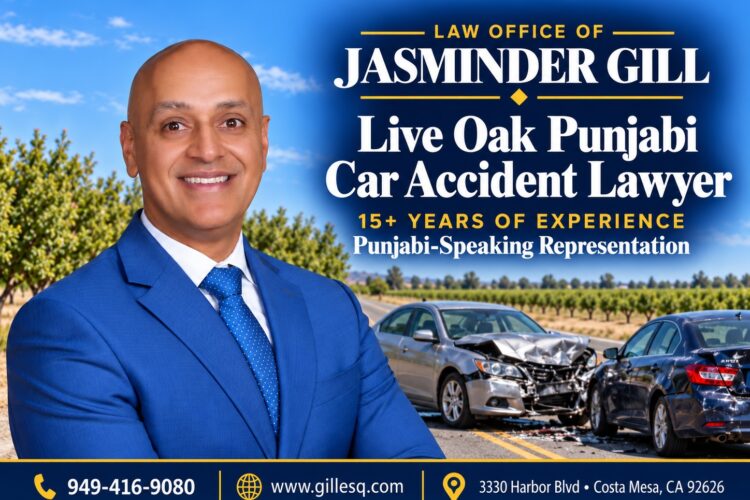
Live Oak Punjabi Car Accident Lawyer for Rear-End, Head-On and Hit-and-Run Injuries
A car accident in Live Oak can interrupt much more than the drive home. A family may suddenly need transportation to medical appointments, someone to cover missed work, and help understanding calls from insurance companies. When the injured person prefers speaking Punjabi, even an ordinary question about pain, treatment, or how the collision happened can become difficult to answer accurately in English.
The Law Office of Jasminder Gill represents people injured in California car accidents, including residents of Live Oak and surrounding Sutter County communities. Jasminder Gill speaks Punjabi and has practiced law in California since 2009. The firm handles injury claims involving negligent drivers, disputed responsibility, serious injuries, uninsured motorists, and fatal collisions.
Call 949-416-9080 For A Free Live Oak Car Accident Case Evaluation
Legal representation should make the process understandable. You should know what information matters, why the insurance company is requesting it, and what accepting a settlement would mean for your future.
Click Here to Message Us on WhatsApp
ਲਾਈਵ ਓਕ ਵਿੱਚ ਕਾਰ ਹਾਦਸੇ ਤੋਂ ਬਾਅਦ ਪੰਜਾਬੀ ਵਿੱਚ ਕਾਨੂੰਨੀ ਮਦਦ
ਜੇ ਤੁਸੀਂ ਜਾਂ ਤੁਹਾਡੇ ਪਰਿਵਾਰ ਦਾ ਕੋਈ ਮੈਂਬਰ ਲਾਈਵ ਓਕ ਵਿੱਚ ਕਾਰ ਹਾਦਸੇ ਦੌਰਾਨ ਜ਼ਖ਼ਮੀ ਹੋਇਆ ਹੈ, ਤਾਂ ਆਪਣੀ ਗੱਲ ਪੰਜਾਬੀ ਵਿੱਚ ਸਮਝਾਉਣ ਅਤੇ ਕਾਨੂੰਨੀ ਪ੍ਰਕਿਰਿਆ ਨੂੰ ਸਮਝਣ ਦੀ ਸਹੂਲਤ ਮਹੱਤਵਪੂਰਨ ਹੈ। ਵਕੀਲ ਜਸਮਿੰਦਰ ਗਿੱਲ ਤੁਹਾਡੇ ਨਾਲ ਪੰਜਾਬੀ ਵਿੱਚ ਗੱਲ ਕਰ ਸਕਦੇ ਹਨ, ਤਾਂ ਜੋ ਤੁਸੀਂ ਹਾਦਸੇ, ਸੱਟਾਂ, ਇਲਾਜ ਅਤੇ ਬੀਮਾ ਕੰਪਨੀ ਨਾਲ ਜੁੜੀਆਂ ਚਿੰਤਾਵਾਂ ਬਾਰੇ ਖੁੱਲ੍ਹ ਕੇ ਦੱਸ ਸਕੋ।
ਲਾਅ ਆਫ਼ਿਸ ਆਫ਼ ਜਸਮਿੰਦਰ ਗਿੱਲ ਪਿੱਛੋਂ ਟੱਕਰ ਮਾਰਨ, ਆਹਮੋ-ਸਾਹਮਣੇ ਟੱਕਰਾਂ, ਹਿੱਟ-ਐਂਡ-ਰਨ ਅਤੇ ਬਿਨਾਂ ਬੀਮੇ ਵਾਲੇ ਡਰਾਈਵਰਾਂ ਨਾਲ ਹੋਏ ਹਾਦਸਿਆਂ ਦੇ ਸੱਟਾਂ ਸਬੰਧੀ ਦਾਅਵਿਆਂ ਵਿੱਚ ਨੁਮਾਇੰਦਗੀ ਕਰਦਾ ਹੈ। ਤੁਹਾਡੇ ਕੇਸ ਦੇ ਤੱਥਾਂ ਅਨੁਸਾਰ, ਦਾਅਵੇ ਵਿੱਚ ਇਲਾਜ ਦੇ ਖ਼ਰਚੇ, ਕੰਮ ਤੋਂ ਗੁਆਈ ਆਮਦਨ, ਦਰਦ ਅਤੇ ਤਕਲੀਫ਼ ਲਈ ਮੁਆਵਜ਼ਾ ਸ਼ਾਮਲ ਹੋ ਸਕਦਾ ਹੈ।
ਆਪਣੇ ਹਾਦਸੇ ਬਾਰੇ ਜਾਣਕਾਰੀ ਦੇਣ ਅਤੇ ਕੇਸ ਦੀ ਸਮੀਖਿਆ ਦੀ ਪ੍ਰਕਿਰਿਆ ਸ਼ੁਰੂ ਕਰਨ ਲਈ 949-416-9080 ’ਤੇ ਕਾਲ ਕਰੋ। ਪੰਜਾਬੀ ਵਿੱਚ ਗੱਲਬਾਤ ਦੀ ਸਹੂਲਤ ਉਪਲਬਧ ਹੈ।
Punjabi-Speaking Representation for Live Oak Drivers and Families
After a collision, people often describe what happened in the language that comes most naturally to them. That matters when the details involve the direction a vehicle was traveling, the timing of a turn, or whether pain began immediately or developed later.
A person may speak conversational English comfortably but still struggle with unfamiliar insurance terminology. Words such as “release,” “liability,” “recorded statement,” and “policy limits” carry consequences that are easy to miss during a stressful conversation.
Working with a Punjabi-speaking attorney allows an injured person to ask questions directly and explain concerns without depending entirely on a relative.
Family involvement can still be helpful. A spouse may organize paperwork, an adult child may help upload photographs, or a sibling may remember changes in the injured person’s daily routine. However, the injured person should remain informed and involved in decisions about their own claim.
The Law Office of Jasminder Gill offers phone and video communication for California clients. Live Oak residents can discuss their circumstances and provide documents remotely without traveling to the firm’s Costa Mesa office for routine communications.
A Highway Through Town Creates Different Accident Questions
Live Oak’s road setting deserves more attention than a generic discussion of California traffic. State Route 99 runs through the city along the Live Oak Boulevard corridor. Pennington Road, Elm Street, and Kola Street are among the intersections identified in Caltrans’ Live Oak improvement project materials.
For an injury claim, the important question is how the actual roadway conditions and driver decisions contributed to the collision.
A crash near a signalized intersection may require close examination of the light sequence and each vehicle’s approach. A collision near a business entrance may turn on whether a driver entered traffic without sufficient space. An impact involving a stopped vehicle may require determining why traffic stopped and whether the following driver had time to respond.
The investigation should establish the precise location. “On Highway 99 near Live Oak” may be enough for an initial conversation, but it is rarely enough for a complete liability analysis.
The direction of travel, nearest cross street, lane position, and point of impact can help distinguish competing accounts. Photographs showing the surrounding road can be as useful as close-up photographs of vehicle damage.
The First Decisions After a Collision Can Affect the Claim
The immediate priorities are safety and appropriate medical attention. Once those needs are addressed, a few practical steps can help preserve information that may otherwise disappear.
Record What You Can Safely Observe
If circumstances allow, photograph the vehicles before they are moved, their final positions, nearby signs, traffic signals, and visible debris. Never remain in an exposed traffic lane to obtain a photograph.
Get the other driver’s identification and insurance information. If witnesses stop, ask for their names and contact details. Someone who saw the vehicles before impact may provide information that the drivers themselves could not see.
Write down your recollection while it is fresh. Include what you remember clearly and identify anything you are uncertain about. Filling a gap with a guess can create an avoidable inconsistency later.
Keep the Original Records
Preserve photographs, videos, messages, towing paperwork, and repair documents in their original form whenever possible. Avoid editing the only copy of a video or deleting messages because they appear unimportant.
Keep insurance correspondence together. A letter about vehicle damage may contain a claim number or adjuster’s information that becomes useful when organizing the injury claim.
Describe Symptoms Accurately
Tell medical providers what you are experiencing and when it began. Explain any relevant symptoms that existed before the accident as well.
Accuracy matters more than dramatic wording. A clear description of difficulty turning your neck, lifting a grocery bag, or sleeping through the night can be more informative than repeatedly saying the pain is severe.
Car Accident Injury Claims the Firm Handles
Different collision types create different evidence problems. The Law Office of Jasminder Gill handles a range of motor vehicle injury claims affecting Live Oak residents.
Rear-End Collisions
A rear-end crash may happen when a driver follows too closely, looks away from traffic, or approaches stopped vehicles without slowing sufficiently.
Even where responsibility appears straightforward, disputes may arise over the force of impact and the relationship between the collision and the claimed injuries. Vehicle photographs, repair estimates, treatment records, and the sequence of impacts can become important.
In a chain-reaction collision, identifying which impact occurred first can also affect responsibility.
Intersection and Left-Turn Crashes
Intersection accidents often produce conflicting accounts. One driver says the light was green; the other says the same. A turning driver may claim the approaching vehicle was speeding, while the approaching driver says the turn left no opportunity to avoid impact.
A careful review may include witness accounts, available video, vehicle damage, and the drivers’ descriptions of their movements before the crash.
Sideswipe and Lane-Change Accidents
A sideswipe can push a vehicle into another lane, a curb, or an additional vehicle. These cases may involve disagreement over which driver crossed the lane line.
The damage pattern and any available footage can help evaluate whether a vehicle drifted, merged abruptly, or attempted to pass without adequate clearance.
Head-On and Road-Departure Collisions
A vehicle crossing into opposing traffic can cause devastating injuries. However, a serious collision still requires investigation rather than assumptions about its cause.
Potential questions include distraction, impairment, fatigue, an unsafe passing attempt, or another vehicle’s involvement. The evidence determines which issues deserve further examination.
Commercial Vehicle and Rideshare Accidents
An injured car occupant may have a claim involving a delivery vehicle, company car, commercial truck, Uber, or Lyft vehicle.
These cases can require additional work to identify the driver’s employment or app status and the insurance potentially available. A business name on a vehicle does not, by itself, resolve who is legally responsible.
Passengers Need Their Own Injuries and Coverage Evaluated
Passengers sometimes hesitate to pursue a claim because they know the driver. They may have been riding with a relative, friend, coworker, or neighbor and worry that seeking compensation will damage that relationship.
An injury claim requires identifying the available insurance and the parties whose conduct contributed to the crash. Depending on the evidence, responsibility may involve the driver of the occupied vehicle, another motorist, or multiple drivers.
A passenger should not assume that the only available coverage belongs to the other vehicle.
There can also be complications when several injured people seek payment from the same policy. One person’s settlement does not automatically determine another person’s rights, but shared insurance limits can affect the practical options.
Each injured passenger’s medical condition, losses, and potential conflicts should be evaluated individually. When a child is injured, additional procedures may apply to resolving the child’s claim.
Proving Responsibility Requires More Than Repeating the Crash Report
A collision report can provide valuable information, including driver identities, witness names, diagrams, and an investigating officer’s observations. It is an important starting point, but it may not answer every question.
An officer may arrive after the vehicles have moved. A witness may leave before officers collect a statement. An injured person may be transported for treatment before giving a complete account.
An attorney can compare the report with other available evidence and identify discrepancies that require explanation.
Useful evidence may include:
- Photographs of vehicle damage and the surrounding roadway.
- Dashcam footage or recordings from nearby properties.
- Independent witness accounts.
- Towing and vehicle inspection records.
- Statements made close to the time of the collision.
- Medical documentation describing the reported mechanism of injury.
Not every case requires an accident reconstruction expert. The investigation should match the actual dispute and the seriousness of the injuries.
The purpose is to develop a supported explanation of what happened, rather than accumulate paperwork that does not resolve the contested issues.
When the Insurance Company Says You Share the Blame
A driver may dispute responsibility by saying you stopped unexpectedly, entered the intersection too late, or could have avoided the crash.
California’s comparative fault framework allows responsibility to be divided when the evidence supports fault by more than one person. An injured person’s share of responsibility can reduce recoverable damages. An insurer’s allegation is not, by itself, proof that the proposed allocation is correct. courts.ca.gov
The response should focus on specific evidence.
If an insurer claims you changed lanes, what supports that account? If it says you were speeding, is that based on a witness, physical evidence, or speculation? If multiple vehicles were involved, has the insurer considered the complete sequence?
You should describe your own actions honestly. However, an adjuster’s interpretation does not have to be accepted without review.
A disputed claim may require further investigation, negotiation, or litigation. The appropriate response depends on the available proof and the issues affecting recovery.
Documenting Injuries Beyond the Emergency Room Visit
The first medical visit captures a particular moment. It may identify urgent concerns without showing the full course of recovery.
Some people return to work quickly but discover they cannot tolerate their normal duties. Others initially expect soreness to resolve, then continue experiencing symptoms that require further evaluation.
The claim should reflect what the records actually show over time.
Changes in Physical Function
A shoulder injury may interfere with lifting. A back injury may limit sitting or standing. A hand injury may affect gripping tools, typing, or handling ordinary household tasks.
Specific limitations help explain the consequences of an injury. They should be documented consistently and discussed with treating providers.
Head Injuries and Cognitive Difficulties
Problems with concentration, memory, balance, or tolerance for light can affect work and family responsibilities. These concerns deserve appropriate medical evaluation.
An attorney does not diagnose these conditions. The legal work involves obtaining the relevant records and explaining how documented injuries affect the claim.
Aggravation of an Existing Condition
A person may have experienced occasional back discomfort before a collision but face substantially greater limitations afterward.
The distinction requires an honest comparison of the person’s condition before and after the accident. Prior records may be relevant, and concealing a previous problem can undermine credibility.
The question is what harm the collision caused or worsened, supported by the medical evidence.
Lost Income Can Be Harder to Prove Than Missed Paychecks
An employee with a fixed schedule may document missed work through payroll records and an employer’s confirmation. Other Live Oak residents may have less predictable earnings.
Someone may work seasonally, operate a small business, drive commercially, receive commissions, or divide time between several sources of income.
A useful lost-income analysis considers the person’s actual work arrangement.
Relevant documents can include pay statements, tax returns, invoices, appointment records, canceled jobs, and communications about work restrictions. A self-employed person may also need to distinguish lost revenue from the profit that would have remained after business expenses.
Continuing to work does not necessarily mean the injury had no financial effect. A person may reduce hours, turn down physical tasks, or pay someone else to perform duties previously handled alone.
Those losses need support. A claim should explain what changed, when it changed, and how the financial amount was calculated.
Future earning limitations require particular care because they concern losses that have not yet occurred.
Compensation Should Reflect the Supported Losses
There is no dependable settlement amount based only on the city where a crash happened or the type of collision.
A claim’s evaluation may consider medical expenses, lost earnings, future care needs, physical pain, emotional consequences, and changes in daily activities. The available evidence, liability disputes, and insurance coverage also affect the practical recovery.
Two people in the same vehicle can have very different claims. One may recover after a limited course of treatment, while another requires surgery and faces lasting restrictions.
The financial discussion should also distinguish the total settlement from the amount the client ultimately receives.
Attorney fees, case expenses, and valid reimbursement obligations may affect the distribution. Medical bills and liens require attention rather than an assumption that they will disappear after settlement.
Before resolving a case, the client should understand the proposed settlement and the known deductions, along with any issues that remain unresolved.
Uninsured and Underinsured Drivers Create Additional Questions
Identifying the driver who caused the crash does not necessarily mean sufficient insurance exists to cover the injuries.
Uninsured motorist bodily injury coverage may apply when an at-fault driver lacks insurance. Underinsured motorist coverage may become relevant when the responsible driver’s coverage is insufficient, subject to the applicable policy and legal requirements.
These claims still require attention to responsibility, damages, notice, and policy conditions. Filing a claim with your own insurer does not eliminate the need to prove it.
A hit-and-run collision can present additional coverage questions, particularly when the vehicle or driver cannot be identified.
Preserve any available description, partial license plate, witness information, photographs, and footage. Prompt reporting and early policy review can matter.
Before accepting money or signing a release involving another driver, understand whether doing so could affect a potential claim under your own coverage. The sequence of settlements can have consequences that are not obvious from the payment amount alone.
Treatment Gaps and Transportation Problems Need Context
An insurance company may point to a treatment gap and argue that the injuries were minor or had already resolved.
Sometimes that interpretation overlooks practical circumstances. An injured person may lack transportation after the vehicle is totaled, struggle to obtain an appointment, or need help arranging care around work and childcare.
Those circumstances should be explained accurately and documented where possible.
Keep appointment notices, transportation receipts, and communications about scheduling difficulties. Tell the treating provider if a practical obstacle prevents you from following the recommended plan.
At the same time, a legal claim should never dictate unnecessary medical care. Treatment decisions belong with qualified medical professionals.
The goal is a truthful record showing what care was recommended, what care occurred, and why any interruption happened. That gives the attorney a factual basis to address questions rather than inventing explanations after the insurer raises them.
Review Settlement Papers Before Signing Away the Claim
A settlement offer can arrive before the full consequences of an injury are clear. The amount may seem helpful when bills are arriving and work has been interrupted.
However, the accompanying release deserves careful attention. A bodily injury settlement commonly requires giving up further claims against the released parties for the collision, including consequences that may become more apparent later.
Before signing, consider whether the medical outlook is sufficiently understood, whether all relevant coverage has been examined, and whether outstanding bills or reimbursement claims have been addressed.
Vehicle damage and bodily injury may be handled separately, but the wording of the actual documents controls what is being released.
Negotiation also takes preparation. An attorney needs supporting records and a reasoned explanation of the losses. Simply demanding a larger number does not answer an insurer’s questions about causation, future treatment, or wage loss.
Fatal Car Accidents Require a Different Kind of Support
When a collision takes a life, surviving family members may face immediate expenses and long-term financial uncertainty while grieving.
A wrongful death claim requires examining who is legally entitled to bring the claim, who may be responsible, and what losses are recoverable under the circumstances.
The investigation may involve the deceased person’s financial contributions, household services, family relationships, and the evidence surrounding the crash. A related survival claim can raise separate issues and should not be treated as interchangeable with wrongful death.
Families also need a clear point of contact and understandable explanations of requested documents.
The Law Office of Jasminder Gill handles wrongful death matters arising from California motor vehicle accidents. Punjabi-language communication can help family members participate directly in discussions during an already difficult period.
How the Law Office of Jasminder Gill Approaches a Live Oak Claim
A useful case evaluation starts with the collision date, location, injury information, available insurance, and any deadlines or documents already received.
The firm’s intake process helps identify whether the matter falls within its personal injury practice. Representation is governed by a signed agreement.
Once retained, the work may include obtaining relevant records, communicating with insurers, investigating disputed facts, evaluating available coverage, and preparing a supported settlement demand. If the claim cannot be resolved appropriately through negotiation, litigation may be considered.
Jasminder Gill has more than 15 years of experience as a California attorney. The firm represents injured clients throughout California, with phone and video communication available for Live Oak residents.
The firm handles injury cases on a contingency fee basis, with no upfront attorney fee. The signed retainer explains the applicable fee, advanced case costs, and responsibility for expenses. Clients should review those terms so they understand how a recovery would be distributed.
Contact a Live Oak Punjabi Car Accident Lawyer
You do not need a perfectly organized file before contacting the firm. Start with what you have: the accident date, where it happened, the injuries, insurance information, and any photographs or letters.
Explain whether responsibility is disputed, whether the vehicle remains available, and whether an insurer has requested a statement or offered a settlement. These details help identify the immediate questions.
A Live Oak car accident claim should account for the person behind the paperwork: the work interrupted, the family responsibilities affected, and the medical uncertainty that remains.