
Bakersfield Punjabi Dog Bite Lawyer
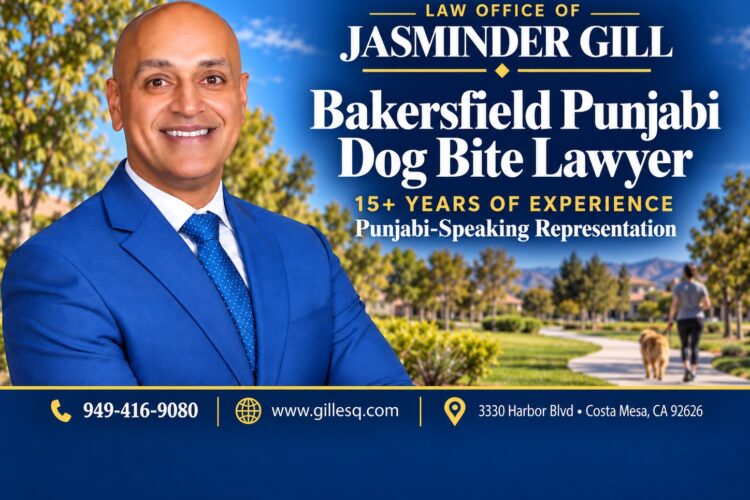
Bakersfield Dog Bite Representation for Deep Wounds, Facial Scars and Nerve Injuries
A dog owner may describe an attack as a misunderstanding. For the person who was bitten, the consequences can be much harder to explain: a hand that no longer grips comfortably, a child who refuses to walk past the same house, or a facial scar that draws attention long after the wound has closed. When the dog belongs to a neighbor, friend, or relative, pursuing an injury claim can also feel personal.
You can take your injuries seriously without having every answer about insurance or legal responsibility. The first steps are understanding what happened, obtaining appropriate medical care, and preserving information before it disappears.
Call 949-416-9080 For A Free Bakersfield Dog Bite Attack Consultation
The Law Office of Jasminder Gill represents injured people throughout California, including Punjabi-speaking individuals and families in Bakersfield. Attorney Jasminder Gill speaks Punjabi and has 15+ years of experience in personal injury representation. You can explain the attack, your treatment, and your concerns in Punjabi without depending on a family member to translate sensitive details.
Click Here to Message Us on WhatsApp
ਜੇ ਬੇਕਰਸਫੀਲਡ ਵਿੱਚ ਤੁਹਾਨੂੰ ਜਾਂ ਤੁਹਾਡੇ ਬੱਚੇ ਨੂੰ ਕੁੱਤੇ ਨੇ ਵੱਢਿਆ ਹੈ, ਤਾਂ ਇਲਾਜ ਦੇ ਖ਼ਰਚੇ, ਜ਼ਖ਼ਮਾਂ ਦੇ ਨਿਸ਼ਾਨ ਅਤੇ ਕੰਮ ਤੋਂ ਛੁੱਟੀ ਦੀ ਚਿੰਤਾ ਇਕੱਠੀ ਹੋ ਸਕਦੀ ਹੈ। ਜੇ ਕੁੱਤੇ ਦਾ ਮਾਲਕ ਤੁਹਾਡਾ ਗੁਆਂਢੀ, ਦੋਸਤ ਜਾਂ ਰਿਸ਼ਤੇਦਾਰ ਹੈ, ਤਾਂ ਮੁਆਵਜ਼ੇ ਬਾਰੇ ਗੱਲ ਕਰਨੀ ਹੋਰ ਵੀ ਔਖੀ ਲੱਗ ਸਕਦੀ ਹੈ। ਵਕੀਲ ਜਸਮਿੰਦਰ ਗਿੱਲ ਨਾਲ ਤੁਸੀਂ ਆਪਣੀ ਗੱਲ ਪੰਜਾਬੀ ਵਿੱਚ ਸਮਝਾ ਸਕਦੇ ਹੋ ਅਤੇ ਆਪਣੇ ਕਾਨੂੰਨੀ ਹੱਕਾਂ ਬਾਰੇ ਜਾਣਕਾਰੀ ਲੈ ਸਕਦੇ ਹੋ। Law Office of Jasminder Gill ਨਾਲ ਸੰਪਰਕ ਕਰਨ ਲਈ 949-416-9080 ’ਤੇ ਕਾਲ ਕਰੋ।
Legal Help for Dog Bites, Facial Scars, Hand Injuries and Attacks on Children
Dog bite claims require attention to both the attack and its aftermath. Identifying the owner is one part of the investigation. Understanding whether the injury will affect someone’s work, appearance, movement, or emotional well-being is another.
Our office can evaluate claims involving:
- Bites on neighborhood sidewalks and residential streets.
- Attacks during visits to someone’s home.
- Dogs escaping through open gates or damaged fences.
- Injuries to children at family gatherings or while visiting friends.
- Bites involving delivery workers and other lawful visitors.
- Facial injuries, puncture wounds, and permanent scarring.
- Hand, wrist, and arm injuries affecting everyday activities.
- Falls and other injuries occurring during a dog attack.
The circumstances matter. A bite by an identified homeowner’s dog presents different insurance questions from an attack involving an unknown dog or an animal being handled by someone other than its owner. A careful review helps determine which legal claims and potential sources of recovery fit the evidence.
How California Law Applies to a Bakersfield Dog Bite
California Civil Code section 3342 generally holds a dog’s owner responsible when the dog bites someone in a public place or someone who is lawfully on private property. The injured person ordinarily does not have to prove that the dog previously bit someone or that its owner knew it was dangerous. Exceptions and defenses can apply.
This is an important distinction when an owner says, “He has never done that before.” A lack of previous attacks does not, by itself, resolve the claim in the owner’s favor.
However, legal responsibility is not the same as an automatic insurance payment. The injured person still needs evidence establishing the circumstances of the bite, the identity of the owner, and the harm the attack caused.
Questions that may need investigation include:
- Who owned the dog on the date of the attack?
- Where did the bite occur?
- Why was the injured person at that location?
- Did anyone witness the incident?
- What injuries resulted from the bite?
- Is an insurance policy potentially available?
A dispute can develop even when everyone initially agrees that the bite happened. The owner may later give a different account, an insurer may question the medical treatment, or the parties may disagree about which dog caused the injuries. Preserving information early helps address those problems.
Dog Attacks Around Bakersfield Homes and Neighborhoods
An attack does not have to happen far from home to cause a serious injury. It may occur while someone walks along a residential street near Stockdale Highway, approaches a home off Panama Lane, or visits family elsewhere in Bakersfield.
The precise setting can help explain how the dog reached the injured person. For example, a dog may run through a gate as a visitor approaches, slip past its handler, or reach someone near a property entrance. Those details are more useful than a general statement that the dog “came out of nowhere.”
Photographs of the location may help document the gate, fence, walkway, driveway, or distance between the property and the sidewalk. Doorbell cameras and nearby security systems may have recorded the attack or the moments immediately before it.
Bakersfield mailing addresses do not always establish whether an incident occurred within city limits or in an unincorporated part of Kern County. The exact location can affect which agency handles the report. Record the street address or nearest identifiable location rather than relying only on the neighborhood name.
There is no need to return to an unsafe property to investigate. Information can be gathered through witnesses, reports, photographs already taken, and appropriate requests for records.
What to Do After a Dog Bite
The minutes after an attack are often confusing. People may be trying to restrain the dog, comfort a child, or persuade the injured person that the wound is minor. Focus first on getting to safety and obtaining medical attention.
Obtain appropriate medical care
Have the injury assessed promptly. A clinician can evaluate the wound and determine what care is appropriate, including any concerns involving infection, vaccination history, or deeper injury.
Explain how the attack happened and identify every affected area. If you fell while escaping, tell the provider about those injuries as well as the bite. Follow the treatment instructions you receive and attend recommended follow-up appointments.
Identify the owner and dog
When it is safe, obtain the owner’s name and contact information. Record the dog’s appearance and where it lives. Ask about available vaccination records, but allow medical and public health professionals to determine what information or follow-up is necessary.
Do not rely solely on a first name or a promise that the owner will contact you later.
Preserve photographs and witness information
Photograph visible injuries and keep the original files. Take additional photographs as the wounds heal, especially if scarring or discoloration remains.
Save the names and telephone numbers of people who saw the attack. A witness who observed the dog leaving a yard may have information that someone arriving afterward does not.
Report the incident
Report the bite to the appropriate local animal control or public health authority. Keep the report number and copies of any paperwork you receive.
A report creates a record, but it does not replace an injury claim or guarantee that an insurance company will accept responsibility.
Save communications and expenses
Keep messages from the owner, insurance correspondence, medical paperwork, damaged clothing, and receipts connected to the injury. Avoid signing a release before you understand what rights it would give up.
When the Dog Belongs to Someone You Know
Some of the most difficult dog bite situations involve familiar people. A parent may hesitate because the dog belongs to a child’s friend. An injured visitor may worry about causing problems for a relative. A neighbor may offer to pay the first medical bill and ask that the matter remain private.
Those concerns are understandable. They should not require you to predict the full extent of an injury before the medical picture is clear.
An agreement to pay for an initial appointment may not address later treatment, a lasting scar, missed work, or other losses. Likewise, a friendly conversation immediately after the bite may not establish whether an insurer will provide coverage.
An attorney can investigate whether homeowners, renters, or another liability policy may apply. Coverage depends on the policy and circumstances; it should never be assumed simply because the owner has insurance.
You can explain that you need to understand your treatment and insurance options before making decisions. Avoid accepting a quick payment in exchange for signing paperwork you have not had an opportunity to review.
Children Injured by Dogs in Bakersfield
A child may struggle to explain what happened during an attack. Their account may come out in pieces, particularly if they were frightened, in pain, or surrounded by adults asking questions.
Parents can help by recording the child’s spontaneous statements accurately and preserving witness information. Repeatedly questioning a child or suggesting answers can make the experience harder and complicate the factual record.
The claim should consider the child’s actual injuries and recovery. Relevant concerns may include visible scars, difficulty using an injured hand, interrupted activities, and fear around dogs. Medical professionals should assess treatment needs rather than adults assuming that a child will simply forget the incident.
Keep records of changes you observe. A child who previously walked comfortably to a friend’s house may now refuse to go outside without a parent. Another may become distressed when hearing a barking dog. Describe those changes factually and discuss significant concerns with the child’s provider.
Children’s claims can also involve special settlement procedures, including court approval. Parents should understand how a proposed settlement would address fees, costs, medical reimbursement obligations, and the handling of the child’s funds before agreeing to resolve the case.
Why Hand and Arm Injuries Deserve Careful Documentation
A hand injury can affect someone whose work depends on typing just as seriously as someone who lifts, grips, or operates equipment. The consequences depend on what the person actually needs to do.
For a Bakersfield resident working in agriculture, transportation, construction, healthcare, or an office, reduced hand function may interfere with ordinary job duties. The same injury can affect cooking, driving, dressing, and caring for children at home.
Useful documentation goes beyond a photograph of the wound. Tell your provider about symptoms such as limited movement, altered sensation, or difficulty gripping. Keep any work restrictions and records of recommended treatment.
For the injury claim, explain specific tasks that have become difficult. “My hand hurts” gives less information than a clear description of being unable to hold a tool safely, use a keyboard for a normal shift, or fasten a child’s car seat.
The claim should reflect supported limitations without exaggeration. Consistent medical records and concrete examples help explain the injury’s practical effect.
Facial Injuries and Lasting Scars
A facial wound can create concerns that continue after the initial treatment ends. Someone may worry about how a scar will heal, whether additional care will be recommended, and how the change in appearance will affect daily life.
Early photographs are important, but they may not show the final outcome. Preserve images over time under reasonably consistent lighting, without filters or editing. Keep records of consultations and any treatment recommendations.
A settlement decision should account for what is known about the injury and what remains medically uncertain. If a provider recommends reassessment after further healing, that recommendation may be relevant to the timing of the claim.
Scarring is also personal. Two people with similar visible marks may experience different effects because of their age, occupation, activities, and individual circumstances. The claim should explain those effects honestly rather than relying on a generic description of disfigurement.
What If the Dog Knocked You Down Without Biting?
A dog can cause an injury by jumping on someone, running into them, or chasing them into a fall. These situations require a separate analysis because California’s dog bite statute addresses bites.
A potential negligence claim may depend on what the owner or handler did, what risks were reasonably foreseeable, and how that conduct caused the injury. The facts may include how the dog was controlled, what happened immediately before the fall, and whether witnesses or recordings support the account.
Do not describe the incident as a bite if there was no bite. Accurate reporting allows the appropriate legal theory to be evaluated.
Similarly, if a bite and fall both occurred, document both events. A person may have a relatively small puncture wound but a substantial shoulder, wrist, or knee injury from falling during the attack. The investigation should consider the entire sequence.
Evidence That Can Strengthen a Dog Bite Claim
The strongest evidence often consists of ordinary records preserved before there is a dispute.
Records identifying the dog and owner
Messages, photographs, witness accounts, and official reports may help establish which dog was involved and who owned it. This can become especially important when several dogs were present.
Video of the approach and attack
A recording may show why the injured person was on the property, whether a gate was open, and how the dog reached them. Recordings may be overwritten, so potential footage should be identified promptly.
Medical records and injury photographs
Treatment records help document the injuries, symptoms, and recommended care. Photographs can show visible wounds and their progression but do not replace a medical assessment.
Employment and income records
Pay statements, schedules, employer communications, and work restrictions can help support a claim for missed earnings. Self-employed people may need business records showing how the injury affected their income.
A factual recovery record
Brief notes can help preserve details that are easy to forget: an appointment, a missed shift, difficulty performing a household task, or a change in symptoms.
Keep descriptions accurate. A clear record is more useful than dramatic language or an entry written to make every day sound the same.
What Compensation May Be Available?
A dog bite claim should be evaluated according to the losses supported by the evidence. Potential categories can include medical expenses, lost earnings, reduced earning capacity, physical pain, emotional distress, scarring, and loss of enjoyment of life.
The amount depends on the individual case. Important considerations may include the severity and duration of the injury, the need for future care, lasting limitations, disputed responsibility, available insurance, and collectability.
A photograph alone cannot establish a reliable settlement value. Neither can a comparison with an unrelated case found online.
Medical expenses and future care
The claim may involve emergency treatment, follow-up visits, rehabilitation, or other care connected to the attack. Future expenses need appropriate support; they should not be assumed merely because a treatment is theoretically possible.
Missed work and reduced earning ability
A person may lose wages while recovering or need modified duties. A lasting limitation may raise different questions about future work. Those issues require records connecting the injury to the claimed loss.
Pain and emotional effects
These losses are personal, but they still need a clear factual explanation. Describe how the injury affected sleep, movement, activities, confidence, or comfort around dogs, and seek appropriate professional care when needed.
No attorney can responsibly promise a particular recovery before reviewing the evidence and applicable coverage.
Responding to an Insurance Company After a Bite
An insurance adjuster may contact you before you know whether your injury will leave a scar or require further care. The adjuster may request a recorded statement, medical authorization, photographs, or a settlement discussion.
Provide accurate information and avoid guessing. If you do not know who opened a gate or whether the dog had previously attacked someone, say so.
Before signing an authorization, understand what records it permits the insurer to obtain. Before accepting payment, understand whether the agreement ends your claim.
Be particularly careful when discussing recovery. A wound looking better does not necessarily answer questions about pain, function, or the final appearance of a scar. Describe your condition as it actually is, including both improvement and continuing problems.
An attorney can review requests, communicate with the insurer, organize supporting records, and evaluate whether a proposed settlement addresses the documented losses. Representation does not eliminate every dispute, but it gives you help assessing the decisions an insurer asks you to make.
How Long Do You Have to Bring a Dog Bite Lawsuit?
California generally gives an injured person two years from the injury date to file a personal injury lawsuit. Different rules may apply depending on the circumstances, including claims involving children or public entities.
Do not assume that opening an insurance claim, receiving treatment, or negotiating with an adjuster extends the filing deadline.
Even when the legal deadline seems distant, evidence can become harder to obtain much sooner. A witness may move, a recording may be deleted, or the owner’s contact information may change.
Have the date and circumstances reviewed promptly. Special situations require individual analysis, and a general deadline should not be treated as confirmation of the deadline in your case.
Punjabi Communication About Your Injury and Your Options
Explaining an attack involves more than translating the word “bite.” You may need to describe where you were standing, why you approached the property, what the owner said, and how the injury has affected your work or family.
You should also understand the questions being asked of you. Insurance coverage, settlement releases, medical reimbursement, and attorney fees can be difficult to evaluate when the explanation is unfamiliar or rushed.
Attorney Jasminder Gill speaks Punjabi. Punjabi-speaking clients can discuss their circumstances in the language they prefer and ask questions about the legal process.
ਕੁੱਤੇ ਦੇ ਵੱਢਣ ਤੋਂ ਬਾਅਦ ਸਿਰਫ਼ ਪਹਿਲੇ ਇਲਾਜ ਦਾ ਬਿੱਲ ਹੀ ਮਹੱਤਵਪੂਰਨ ਨਹੀਂ ਹੁੰਦਾ। ਜੇ ਹੱਥ ਦੀ ਹਰਕਤ ਪ੍ਰਭਾਵਿਤ ਹੋਈ ਹੈ, ਚਿਹਰੇ ’ਤੇ ਨਿਸ਼ਾਨ ਰਹਿ ਗਿਆ ਹੈ ਜਾਂ ਬੱਚਾ ਹੁਣ ਕੁੱਤਿਆਂ ਤੋਂ ਡਰਦਾ ਹੈ, ਤਾਂ ਇਹ ਗੱਲਾਂ ਵੀ ਧਿਆਨ ਨਾਲ ਸਮਝਣੀਆਂ ਲੋੜੀਂਦੀਆਂ ਹਨ। ਆਪਣੀਆਂ ਮੈਡੀਕਲ ਰਿਪੋਰਟਾਂ, ਜ਼ਖ਼ਮਾਂ ਦੀਆਂ ਤਸਵੀਰਾਂ ਅਤੇ ਕੁੱਤੇ ਦੇ ਮਾਲਕ ਨਾਲ ਹੋਈ ਗੱਲਬਾਤ ਸੰਭਾਲ ਕੇ ਰੱਖੋ। ਕੋਈ ਵੀ ਸਮਝੌਤਾ ਸਵੀਕਾਰ ਕਰਨ ਤੋਂ ਪਹਿਲਾਂ ਉਸ ਦੀਆਂ ਸ਼ਰਤਾਂ ਅਤੇ ਆਪਣੇ ਹੱਕਾਂ ਬਾਰੇ ਜਾਣਕਾਰੀ ਲਵੋ।
How the Law Office of Jasminder Gill Reviews a Dog Bite Case
The review begins with the incident itself: the date, location, dog, owner, and circumstances of the attack. Our office also needs to understand your treatment, current symptoms, and any communications with an insurer.
Depending on the case, the work may include obtaining reports, identifying witnesses, investigating insurance, gathering medical records, documenting income losses, and evaluating settlement offers. If litigation is appropriate, the evidence and procedural requirements must be assessed accordingly.
You do not need a perfectly organized file before contacting the office. Bring what you have and identify what is missing. A photograph of the dog, a report number, or a message from the owner may provide a useful starting point.
Our office offers representation on a contingency fee basis, with no upfront attorney fee. The signed retainer explains the applicable fee, case costs, and reimbursement terms. Ask questions about those provisions so you understand how a recovery would be distributed.
Contact a Bakersfield Punjabi Dog Bite Lawyer
A dog bite claim should account for more than the wound on the day of the attack. It should consider the supported medical needs, work limitations, scarring, and other effects that follow.
The Law Office of Jasminder Gill serves injured people in Bakersfield and throughout California, with phone and video communication available. Attorney Jasminder Gill brings 15+ years of personal injury experience and speaks Punjabi.