
Sunnyvale Punjabi Truck Accident Lawyer
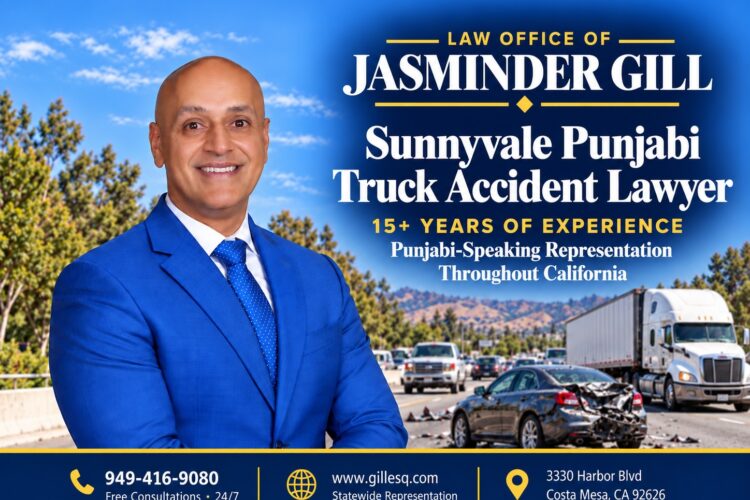
Sunnyvale Punjabi Truck Accident Lawyer Handling Delivery Truck, Tractor-Trailer and Underride Injury Claims
ਜੇ ਤੁਸੀਂ ਸੰਨੀਵੇਲ ਵਿੱਚ ਸੈਮੀ-ਟਰੱਕ, ਬਿੱਗ ਰਿਗ, ਡਿਲਿਵਰੀ ਟਰੱਕ ਜਾਂ ਕਿਸੇ ਹੋਰ ਵਪਾਰਕ ਵਾਹਨ ਨਾਲ ਹੋਏ ਹਾਦਸੇ ਵਿੱਚ ਜ਼ਖ਼ਮੀ ਹੋਏ ਹੋ, ਤਾਂ ਇਲਾਜ ਦੇ ਨਾਲ ਆਪਣੇ ਕਾਨੂੰਨੀ ਹੱਕਾਂ ਬਾਰੇ ਜਾਣਨਾ ਵੀ ਜ਼ਰੂਰੀ ਹੈ। ਟਰੱਕ ਦੀ ਮਾਲਕੀ, ਡਰਾਈਵਰ ਦੀ ਨੌਕਰੀ ਅਤੇ ਹਾਦਸੇ ਨਾਲ ਸਬੰਧਤ ਰਿਕਾਰਡ ਇਹ ਸਮਝਣ ਵਿੱਚ ਮਦਦ ਕਰ ਸਕਦੇ ਹਨ ਕਿ ਜ਼ਿੰਮੇਵਾਰੀ ਕਿਸ ਦੀ ਬਣਦੀ ਹੈ।
Law Office of Jasminder Gill ਨਾਲ ਸੰਪਰਕ ਕਰਕੇ ਤੁਸੀਂ ਆਪਣੀ ਗੱਲ ਪੰਜਾਬੀ ਵਿੱਚ ਦੱਸ ਸਕਦੇ ਹੋ। ਵਕੀਲ ਜਸਮਿੰਦਰ ਗਿੱਲ ਪੰਜਾਬੀ ਬੋਲਦੇ ਹਨ। ਸੰਨੀਵੇਲ ਵਿੱਚ ਟਰੱਕ ਹਾਦਸੇ ਤੋਂ ਬਾਅਦ ਕਾਨੂੰਨੀ ਮਦਦ ਲਈ 949-416-9080 ’ਤੇ ਕਾਲ ਕਰੋ।
Click Here to Message Us on WhatsApp
A truck collision in Sunnyvale can interrupt far more than a commute. An injured person may be unable to drive to work, sit through a normal workday, pick up a child, or manage household responsibilities. Meanwhile, the truck may already be back at a commercial yard, the damaged vehicles may be awaiting repairs, and insurance representatives may be asking for statements.
The first practical challenge is identifying what needs attention now and what requires a deeper investigation. Medical care comes first. Preserving evidence, identifying the businesses involved, and understanding the available insurance are also important parts of protecting an injury claim.
Call 949-416-9080 For A Free Sunnyvale Truck Accident Consultation
The Law Office of Jasminder Gill represents people injured in California truck accidents, including collisions involving tractor-trailers, delivery vehicles, box trucks, construction trucks, and other commercial vehicles. Attorney Jasminder Gill has practiced law in California since 2009 and speaks Punjabi. Sunnyvale residents can work with the firm through phone and video communication without traveling to Southern California for routine case discussions.
A Truck Accident Claim Should Explain What Happened Before Impact
The moment a truck strikes a vehicle is often only the last part of the story. A useful investigation looks backward.
Was the driver following a route selected by a dispatcher? Had someone reported a mechanical problem? Was the truck approaching a delivery entrance? Did the driver change lanes after realizing an exit was nearby? Was cargo loaded in a way that affected stability?
These questions matter because the visible damage does not always explain the underlying cause. A crushed rear bumper may establish where contact occurred, but it cannot, by itself, show whether the truck driver was distracted, following too closely, or dealing with defective brakes.
Similarly, a trucking company’s name on the vehicle does not answer every question about ownership, employment, maintenance, or insurance. The tractor and trailer may belong to different businesses. A delivery truck may be leased. A contractor may operate under another company’s transportation arrangements.
Building the claim requires connecting the driving conduct, business relationships, physical evidence, and resulting injuries.
Sunnyvale’s Freeway Connections and Commercial Access Roads
Sunnyvale presents a combination of freeway travel, expressway traffic, office campuses, business properties, and local delivery activity. The US 101 and State Route 237 connections around Mathilda Avenue are a significant part of the city’s transportation network.
A truck accident investigation should focus on the actual location and movement involved, rather than assuming every collision on a major road happened for the same reason.
Freeway approaches and lane changes
A collision near an interchange may involve competing accounts about which vehicle moved first. The truck driver may say a passenger vehicle entered a blind spot. The injured driver may describe the truck moving across an occupied lane.
The timing of turn signals, vehicle positions, available sight distance, and the location of contact can help evaluate those accounts. Video or electronic records may provide additional context when available.
Deliveries and business entrances
Commercial vehicle activity continues after a truck leaves the freeway. A driver approaching a loading area may slow unexpectedly, turn across traffic, or reverse near a driveway.
In these cases, the investigation may involve the property’s access layout, the truck’s turning path, visibility around parked vehicles, and whether someone was directing the maneuver.
Intersections and mixed traffic
Along streets serving businesses and neighborhoods, trucks share space with commuters, cyclists, pedestrians, and turning vehicles. A low-speed collision can still cause serious injury when a heavy vehicle strikes an occupied car or a person outside a vehicle.
The relevant question is what precautions the circumstances required and whether the driver or another responsible party failed to take them.
Semi-Truck, Box Truck, and Delivery Vehicle Collisions
“Truck accident” describes several different kinds of claims. Identifying the vehicle accurately helps determine which records, operating practices, and insurance arrangements need review.
Tractor-trailers and big rigs
A tractor-trailer collision may require separate information about the tractor, trailer, motor carrier, driver, and cargo. The businesses connected to those components may have different responsibilities.
A trailer’s position can also matter independently of the tractor. During a turn or lane change, the trailer may move through space that the cab has already cleared.
Box trucks and moving trucks
Box trucks can be involved in rear-end crashes, backing collisions, and impacts at business entrances. Their commercial use may be less obvious than that of a large tractor-trailer, particularly when the truck carries limited branding or is rented.
Rental documents, delivery paperwork, and the driver’s work assignment may help clarify who controlled the vehicle.
Parcel and last-mile delivery vehicles
A delivery vehicle may stop frequently, enter unfamiliar driveways, or operate near pedestrians and parked cars. Relevant evidence can include route information, delivery timestamps, vehicle cameras, and communications about the driver’s assignment.
The business relationship must be investigated rather than inferred from a uniform, package label, or vehicle logo.
Construction and equipment trucks
Dump trucks, flatbeds, and equipment transport vehicles raise additional questions about cargo, load securement, visibility, and movement around work areas.
If material fell from a truck or equipment shifted, the claim should address how that happened and who was responsible for preventing it.
Different Collision Patterns Require Different Evidence
A strong investigation follows the mechanics of the crash. The same document request will not answer every liability question.
Rear-end impacts
When a truck strikes a vehicle from behind, important issues may include following distance, traffic conditions, driver attention, braking, and the sequence of impacts.
In a chain-reaction collision, the investigation should determine whether the injured person’s vehicle was struck once or several times and whether another impact pushed it into the truck’s path.
Sideswipes and unsafe lane changes
Damage along the side of a vehicle can support an account of a merging collision, but the direction and progression of contact matter.
Photographs of both vehicles, roadway markings, witness accounts, and available video can help establish which vehicle crossed into the other’s lane.
Wide-turn collisions
A truck may move outward before completing a turn, creating confusion for drivers nearby. The investigation should examine the truck’s position, signals, available space, and the other vehicle’s movements.
A driver’s statement that the truck “needed more room” does not resolve whether the maneuver was performed safely.
Jackknife and rollover crashes
A jackknife occurs when the tractor and trailer fold toward each other. A rollover involves the truck or trailer tipping onto its side or roof.
Neither event establishes the cause on its own. Speed, steering, braking, cargo movement, roadway conditions, and equipment condition may all require examination.
Underride collisions
An underride collision occurs when a smaller vehicle travels beneath part of a truck or trailer. These crashes can cause devastating injuries.
Preserving the vehicles and documenting the contact points may be particularly important before repairs, disposal, or other changes affect the evidence.
Identifying Every Business With a Relevant Role
An injured person should not have to determine the entire commercial chain before asking for legal help. However, the investigation must eventually establish which parties had duties connected to the collision.
The truck driver’s conduct is one part of that inquiry. Other questions may involve:
- Whether an employer was responsible for the driver’s work-related conduct.
- Whether a company placed an unsafe vehicle into service.
- Whether maintenance work was performed improperly.
- Whether cargo was loaded or secured negligently.
- Whether a defective component contributed to the collision.
- Whether another motorist helped cause the crash.
Responsibility depends on evidence and applicable law. A business is not automatically liable simply because its name appears somewhere in the shipment paperwork.
The firm’s team includes CDL holders, providing practical familiarity with commercial driving terminology and operations. That background can help inform questions about vehicle handling, inspections, and trucking records. Accident reconstruction, engineering, or other expert analysis may still be needed depending on the disputed issues.
Evidence That Can Disappear Before an Injury Claim Is Resolved
An insurance claim may remain open for months while evidence becomes harder to obtain much sooner.
Nearby businesses may overwrite surveillance recordings. Witnesses may become difficult to reach. Trucks may be repaired, sold, or reassigned. Electronic information may be subject to retention practices that do not match the injured person’s recovery timeline.
Depending on the vehicle and circumstances, useful evidence may include:
- Photographs of vehicle damage and roadway conditions.
- Dashcam or other camera recordings.
- Available vehicle and fleet tracking information.
- Driver work and dispatch records.
- Inspection and maintenance documents.
- Cargo and delivery paperwork.
- Communications concerning the trip.
- Witness names and contact information.
- Records identifying the vehicle’s owner and operator.
Not every truck has the same technology, and not every record answers the same question. An electronic log, for example, should not be treated as a complete reconstruction of the impact.
Preservation efforts should identify relevant evidence promptly and specifically. Sending a preservation request is an important step, but it does not guarantee that every requested item exists or will be produced without further legal action.
What to Do After a Sunnyvale Truck Accident
The immediate response should reflect the seriousness of the injuries and the safety of the location.
Call emergency services when someone is injured or there is an immediate hazard. Do not stand beside active freeway traffic to photograph a truck or retrieve property. If you cannot safely document the scene, your health takes priority.
When circumstances allow, collect the driver’s identifying information, insurance details, license plate numbers, and visible company information. A photograph of the tractor does not necessarily identify the trailer, so both may be useful.
Obtain witness contact information rather than relying on the assumption that someone else recorded it.
Seek appropriate medical evaluation and explain how the collision occurred. Describe symptoms accurately, including changes that develop afterward. Do not minimize symptoms because you hope they will disappear, and do not exaggerate them.
Keep discharge papers, appointment information, receipts, and communications about the crash. Save original photographs and recordings. If a vehicle contains potentially relevant data or footage, discuss preservation before authorizing disposal or changes that could affect it.
Documenting Injuries Beyond the Emergency Room Visit
An emergency evaluation addresses immediate medical concerns. It may not establish the full course of an injury, the need for future care, or the effect on a person’s ability to work.
Truck accident injuries can include fractures, spinal injuries, brain injuries, internal injuries, burns, and significant soft-tissue damage. Recovery may involve surgery, rehabilitation, specialist evaluation, or ongoing assistance.
The claim should connect the medical evidence to the person’s actual limitations.
For someone whose job involves prolonged computer use, difficulty concentrating or tolerating screen time may be consequential. For a person who drives between job sites, restricted neck movement or an inability to sit comfortably may interfere with essential duties.
Home life also deserves accurate documentation. An injured parent may need help carrying a child, preparing meals, or managing transportation. Someone living alone may need temporary assistance that was unnecessary before the crash.
These details should be recorded honestly and consistently. A brief, factual recovery journal can help preserve information that may be difficult to recall months later.
When an Existing Condition Becomes Worse
A previous injury or medical condition does not make the effects of a new collision irrelevant.
The important distinction is between the person’s condition before the crash and the changes afterward. Someone with manageable back symptoms may experience new radiating pain, increased limitations, or a different treatment recommendation following a truck collision.
Prior records may be necessary to understand that difference. Avoiding discussion of an earlier condition can create confusion and undermine otherwise credible evidence.
Tell your medical providers and attorney about relevant history. Explain what you could do before the collision, what symptoms already existed, and what changed.
The claim should reflect the harm attributable to the accident. That requires careful medical support rather than assuming that every symptom is new or accepting an insurer’s suggestion that nothing changed.
Medical Expenses, Lost Earnings, and Future Limitations
A truck accident claim should account for the supported consequences of the injury, including those that are not fully apparent during the first weeks.
Medical losses may involve emergency care, hospital treatment, surgery, rehabilitation, medication, and reasonably supported future care. The amount recoverable requires analysis of the records, payments, coverage, and applicable rules; simply adding every billed amount may not produce an accurate valuation.
Lost earnings also require more than a general statement that work was missed. Useful records may include payroll information, employer verification, disability documentation, tax records, and evidence of canceled assignments.
For a self-employed person, reduced revenue does not always equal lost personal income. Business expenses, replacement labor, postponed projects, and the person’s historical earnings may need review.
Long-term limitations can raise a separate question about earning capacity. A person may return to work but be unable to perform the same duties, maintain the same schedule, or pursue work previously available to them.
Pain, emotional distress, and loss of enjoyment of life also require an individualized assessment. No responsible valuation can promise an amount based solely on the size of the truck or the appearance of the damaged car.
When Several People Are Hurt in the Same Crash
A commercial vehicle collision may injure occupants of multiple vehicles. Each person’s injuries, available claims, and insurance circumstances need separate consideration.
Several claims may involve the same insurance policy. That can affect negotiations and make it important to identify all potentially applicable coverage.
The investigation may also need to distinguish separate impacts. One vehicle may have been hit directly by the truck, while another was struck after being pushed through an intersection or into a neighboring lane.
Passengers should not assume that their rights depend entirely on what their driver decides to do. Their position may differ from that of the driver, particularly when responsibility is disputed.
Likewise, relatives injured in the same vehicle can have different medical needs and financial losses. A settlement assessment should reflect each person’s circumstances rather than treating the family as a single undifferentiated claim.
Insurance Communications and Early Settlement Offers
After a truck accident, an injured person may hear from several insurance representatives. It is important to understand which company each person represents and what they are requesting.
Basic reporting requirements under your own policy are different from agreeing to a detailed recorded interview with another party’s insurer. Before providing a statement, ask about the caller’s role and discuss the request with your attorney.
The same care applies to document authorizations. A request may extend beyond the records needed to evaluate the injuries involved in the crash. Its scope should be understood before it is signed.
An early offer may arrive before the injured person knows whether additional treatment will be necessary. A settlement release can affect the ability to seek more compensation later for the same injury claim.
Review the proposed terms, the medical outlook, outstanding bills, and any reimbursement obligations before deciding. Speed alone does not establish whether an offer is fair.
Fatal Truck Accidents and Lasting Family Loss
When a truck collision causes a death, the legal and practical consequences extend beyond the crash investigation.
Families may face funeral expenses, a sudden loss of household income, and the absence of someone who provided daily care and support. They may also be asked to supply documents while still trying to understand what happened.
A wrongful death claim requires attention to who is legally eligible to bring it and which losses are recoverable. A related survival claim may involve different rights and procedures.
The firm evaluates these matters based on the family relationships, available evidence, and circumstances of the death. No family should be given a promised outcome before those facts are reviewed.
Preserving the truck, relevant records, and available recordings may be particularly important when the person who could best describe the collision cannot speak for themselves.
Deadlines Require Attention Before Treatment Ends
California generally allows two years from the date of injury to file a personal injury lawsuit. Exceptions can change the calculation, so the deadline should be evaluated for the specific claim.
Claims involving a public entity can require a separate government claim much earlier, generally within six months for personal injury matters. Additional rules govern what happens after the claim is presented or rejected.
An open insurance claim is not a substitute for meeting a filing deadline. Negotiations also should not be assumed to extend the time available.
Early review helps identify potential defendants and determine which procedures apply. It also allows evidence preservation to begin while the medical outcome remains uncertain.
There is no need to know the final value of the case before asking an attorney to evaluate deadlines and preservation needs.
Punjabi Communication About Decisions That Affect Your Recovery
Explaining an accident in a second language can be difficult, especially when the discussion involves pain, memory, medical history, or financial pressure.
Attorney Jasminder Gill speaks Punjabi. Clients who prefer Punjabi can explain their concerns and ask questions in that language rather than relying entirely on a relative to interpret sensitive details.
Clear communication matters throughout representation. A client should understand why a document is requested, what a settlement offer means, and how attorney fees and case costs affect the amount they may receive.
ਪੰਜਾਬੀ ਵਿੱਚ ਗੱਲ ਕਰਨ ਨਾਲ ਤੁਸੀਂ ਹਾਦਸੇ ਦੇ ਵੇਰਵੇ, ਆਪਣੀਆਂ ਸੱਟਾਂ ਅਤੇ ਪਰਿਵਾਰ ਦੀਆਂ ਚਿੰਤਾਵਾਂ ਸਪਸ਼ਟ ਤਰੀਕੇ ਨਾਲ ਦੱਸ ਸਕਦੇ ਹੋ। ਜੇ ਕਿਸੇ ਦਸਤਾਵੇਜ਼ ਜਾਂ ਸਮਝੌਤੇ ਦੀ ਸ਼ਰਤ ਬਾਰੇ ਸਵਾਲ ਹੋਵੇ, ਤਾਂ ਫ਼ੈਸਲਾ ਕਰਨ ਤੋਂ ਪਹਿਲਾਂ ਉਸ ਨੂੰ ਸਮਝਣਾ ਜ਼ਰੂਰੀ ਹੈ।
Family members can remain involved when the client wants their support. The client’s own understanding and decisions remain central.
Working With the Law Office of Jasminder Gill
The firm begins by screening the accident circumstances, injuries, and potential claim. Information about the collision date, location, vehicles, medical treatment, and available photographs helps with that review.
If the firm accepts the matter, representation begins through a signed agreement. The agreement explains the scope of representation, attorney fees, costs, and other terms.
Truck accident injury matters are handled on a contingency basis under the applicable retainer. There is no upfront attorney fee. Attorney fees and case expenses are separate, and the retainer controls how they are calculated and addressed.
Sunnyvale clients can communicate with the firm by phone and video, provide documents electronically, and receive updates without making unnecessary trips.
To discuss an injury involving a semi-truck, big rig, box truck, delivery truck, or another commercial vehicle in Sunnyvale, call 949-416-9080.
ਸੰਨੀਵੇਲ ਵਿੱਚ ਟਰੱਕ ਹਾਦਸੇ ਤੋਂ ਬਾਅਦ ਪੰਜਾਬੀ ਵਿੱਚ ਕਾਨੂੰਨੀ ਮਦਦ ਲਈ Law Office of Jasminder Gill ਨਾਲ 949-416-9080 ’ਤੇ ਸੰਪਰਕ ਕਰੋ।