
Visalia Punjabi Truck Accident Lawyer
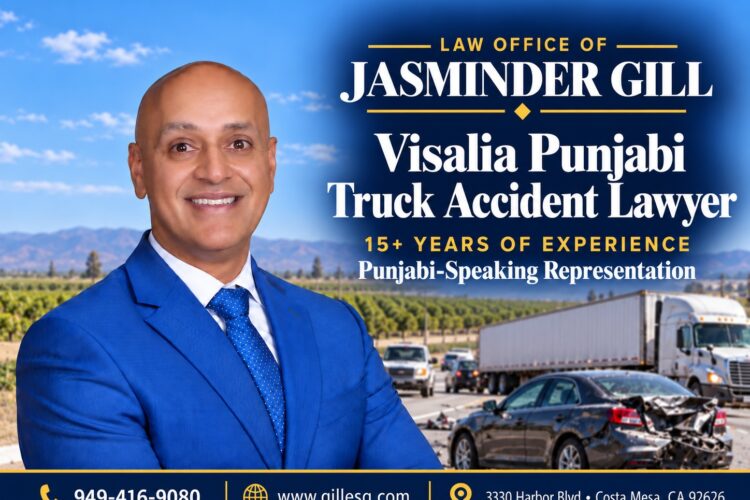
Visalia Punjabi Truck Accident Lawyer for Semi-Truck, Big Rig and Commercial Vehicle Injuries
A truck crash outside Visalia can interrupt far more than the drive home. A person who was earning a living, caring for children, or helping aging parents may suddenly need surgery, transportation to appointments, and assistance with ordinary tasks. Meanwhile, insurance representatives begin asking questions about lane positions, medical history, missed work, and settlement.
For Punjabi-speaking families, those conversations can become especially difficult when important details must be explained through someone else. A relative may speak English comfortably but still struggle to translate a discussion about spinal injuries, commercial insurance, or a release of future claims. The injured person deserves to understand the decisions being made in their own case.
Call 949-416-9080 For A Free Visalia Truck Accident Consultation
The Law Office of Jasminder Gill represents people injured in commercial truck accidents involving negligence, including Punjabi-speaking clients in Visalia and throughout California. Jasminder Gill speaks Punjabi and has practiced as a California attorney since 2009. The firm handles serious injury and wrongful death claims involving semi-trucks, tractor-trailers, agricultural hauling vehicles, delivery trucks, and other commercial vehicles.
A meaningful truck accident investigation looks beyond the size of the vehicles or the damage visible in photographs. It examines how the collision happened, who controlled the equipment and transportation work, what evidence remains available, and how the injuries will affect the person’s future.
Click Here to Message Us on WhatsApp
ਵਿਸਾਲੀਆ ਵਿੱਚ ਟਰੱਕ ਹਾਦਸੇ ਦੇ ਜ਼ਖ਼ਮੀਆਂ ਲਈ ਪੰਜਾਬੀ ਵਿੱਚ ਕਾਨੂੰਨੀ ਮਦਦ
ਟਰੱਕ ਹਾਦਸੇ ਤੋਂ ਬਾਅਦ ਗੰਭੀਰ ਸੱਟਾਂ, ਇਲਾਜ ਦੇ ਖ਼ਰਚੇ ਅਤੇ ਕੰਮ ਤੋਂ ਛੁੱਟੀ ਪਰਿਵਾਰ ਲਈ ਵੱਡੀਆਂ ਚਿੰਤਾਵਾਂ ਬਣ ਸਕਦੀਆਂ ਹਨ। ਜੇ ਤੁਸੀਂ ਵਿਸਾਲੀਆ ਵਿੱਚ ਸੈਮੀ-ਟਰੱਕ, ਬਿੱਗ ਰਿਗ, 18-ਪਹੀਆ ਟਰੱਕ ਜਾਂ ਕਿਸੇ ਹੋਰ ਵਪਾਰਕ ਵਾਹਨ ਨਾਲ ਹੋਏ ਹਾਦਸੇ ਵਿੱਚ ਜ਼ਖ਼ਮੀ ਹੋਏ ਹੋ, ਤਾਂ ਵਕੀਲ ਜਸਮਿੰਦਰ ਗਿੱਲ ਨਾਲ ਆਪਣੀ ਗੱਲ ਪੰਜਾਬੀ ਵਿੱਚ ਸਾਂਝੀ ਕਰ ਸਕਦੇ ਹੋ।
ਟਰੱਕ ਹਾਦਸੇ ਦੇ ਦਾਅਵੇ ਵਿੱਚ ਡਰਾਈਵਰ ਦੇ ਨਾਲ ਟਰੱਕਿੰਗ ਕੰਪਨੀ, ਵਾਹਨ ਦੀ ਦੇਖਭਾਲ ਕਰਨ ਵਾਲੀ ਕੰਪਨੀ ਜਾਂ ਹੋਰ ਧਿਰਾਂ ਦੀ ਭੂਮਿਕਾ ਦੀ ਜਾਂਚ ਵੀ ਲੋੜੀਂਦੀ ਹੋ ਸਕਦੀ ਹੈ। ਡਰਾਈਵਰ ਦੇ ਰਿਕਾਰਡ, ਟਰੱਕ ਦੀ ਮੁਰੰਮਤ ਅਤੇ ਜਾਂਚ ਦੇ ਦਸਤਾਵੇਜ਼, ਵੀਡੀਓ ਅਤੇ ਮਾਲ ਦੀ ਲੋਡਿੰਗ ਨਾਲ ਜੁੜੇ ਸਬੂਤ ਇਹ ਸਮਝਣ ਵਿੱਚ ਮਦਦ ਕਰ ਸਕਦੇ ਹਨ ਕਿ ਹਾਦਸਾ ਕਿਵੇਂ ਵਾਪਰਿਆ ਅਤੇ ਜ਼ਿੰਮੇਵਾਰੀ ਕਿਸ ਦੀ ਬਣਦੀ ਹੈ।
ਲਾਅ ਆਫ਼ਿਸ ਆਫ਼ ਜਸਮਿੰਦਰ ਗਿੱਲ ਵਿਸਾਲੀਆ ਦੇ ਟਰੱਕ ਹਾਦਸਿਆਂ ਵਿੱਚ ਜ਼ਖ਼ਮੀ ਲੋਕਾਂ ਦੀ ਨੁਮਾਇੰਦਗੀ ਕਰਦਾ ਹੈ। ਕੇਸ ਦੇ ਤੱਥਾਂ ਅਨੁਸਾਰ, ਮੁਆਵਜ਼ੇ ਦੇ ਦਾਅਵੇ ਵਿੱਚ ਇਲਾਜ ਦੇ ਖ਼ਰਚੇ, ਗੁਆਈ ਆਮਦਨ, ਭਵਿੱਖ ਦੀ ਦੇਖਭਾਲ ਅਤੇ ਦਰਦ ਤੇ ਤਕਲੀਫ਼ ਸ਼ਾਮਲ ਹੋ ਸਕਦੇ ਹਨ।
ਆਪਣੇ ਟਰੱਕ ਹਾਦਸੇ ਬਾਰੇ ਜਾਣਕਾਰੀ ਦੇਣ ਅਤੇ ਕੇਸ ਦੀ ਸਮੀਖਿਆ ਦੀ ਪ੍ਰਕਿਰਿਆ ਸ਼ੁਰੂ ਕਰਨ ਲਈ 949-416-9080 ’ਤੇ ਕਾਲ ਕਰੋ। ਪੰਜਾਬੀ ਵਿੱਚ ਗੱਲਬਾਤ ਦੀ ਸਹੂਲਤ ਉਪਲਬਧ ਹੈ।
Truck Accident Representation for Visalia Families and Injured Drivers
Visalia sits within a working transportation landscape where passenger vehicles share roads with commercial freight and agricultural traffic. State Route 198 connects the city with State Route 99 to the west, placing local trips close to a major Central Valley transportation corridor.
That relationship matters after a collision. A truck involved in a Visalia-area crash may be traveling through Tulare County, completing a local delivery, or moving between a loading location and a highway. The driver, motor carrier, trailer owner, and business receiving the shipment may all be different entities.
An injured person generally does not have that information at the scene. They may leave by ambulance without knowing the trucking company’s name. Their family may have only a photograph of a trailer, a business card from an officer, or an insurance claim number.
Legal representation begins by turning those fragments into a clear account of the incident. That includes identifying the vehicles and businesses involved, locating insurance coverage, obtaining available reports, and examining the evidence needed to establish responsibility.
The Law Office of Jasminder Gill handles injury claims involving people struck by commercial trucks, including motorists, passengers, motorcyclists, pedestrians, bicyclists, and truck drivers injured by another responsible party.
The Load, the Route, and the Delivery Schedule Can Explain the Crash
Two collisions may look similar in photographs while involving very different failures.
A tractor-trailer that strikes stopped traffic may have been following too closely. It may also have had braking problems, an inattentive driver, or a delivery schedule that warrants investigation. A trailer that swings into another lane could involve an unsafe maneuver, shifting cargo, or equipment trouble.
The investigation should follow the evidence rather than begin with an assumption.
What Was the Truck Carrying?
The type of load can affect vehicle handling, stopping, and stability. Relevant questions may include whether the cargo was properly distributed, whether it was secured, and whether the driver knew about a condition that required additional precautions.
Agricultural products, refrigerated freight, construction materials, equipment, and general merchandise present different loading considerations. An apparently ordinary trailer may contain freight whose placement becomes important when reconstructing a rollover or loss-of-control collision.
Cargo records, loading photographs, weight documents, and witness accounts may help explain what happened. Their usefulness depends on the specific dispute.
Where Was the Truck Going?
A driver approaching an unfamiliar entrance may slow unexpectedly, miss a turn, or attempt a difficult correction. A truck exiting a commercial property may cross several lanes or temporarily obstruct traffic.
Those circumstances do not automatically establish negligence. They identify questions about visibility, signaling, available clearance, and the care used before moving.
The route can also help locate evidence. Nearby businesses may have cameras facing a driveway or roadway. Dispatch communications may show when a driver received directions or reported a delay.
What Was Happening Before Impact?
The minutes before the collision can be as important as the moment of contact.
Investigators may examine the truck’s movement, traffic conditions, communications, and available electronic information. A driver’s initial explanation can then be compared with independent evidence.
That comparison matters when the accounts conflict. A claim that a car suddenly entered the truck’s lane should be tested against video, damage patterns, witness observations, and other reliable information.
Different Truck Crashes Require Different Questions
A useful claim addresses the mechanics of the actual collision. Simply describing every case as a “big rig accident” can overlook the facts that determine responsibility.
Rear-End Collisions With Stopped or Slowing Traffic
A commercial truck striking the back of a passenger vehicle can cause a violent transfer of force. In a chain-reaction collision, the investigation must determine the sequence of impacts and which vehicle initiated them.
Important questions include when traffic began slowing, whether the truck maintained adequate following distance, and whether the driver responded appropriately.
The condition of the brakes and the driver’s attention may also matter. A rear-end impact should be investigated carefully even when the basic circumstances appear straightforward.
Lane-Change and Sideswipe Accidents
A truck can occupy a substantial area beside a smaller vehicle. When the vehicles make contact during a lane change, insurers may disagree about who moved first.
Evidence may include lane markings, scrape patterns, mirror damage, video, and statements from drivers who observed the approach.
A truck’s blind spots are relevant to safe operation, but their existence does not resolve fault. The issue is whether each driver used reasonable care under the circumstances.
Wide-Turn Collisions
A commercial vehicle may need additional space to complete a turn. That maneuver can create danger when a driver fails to account for nearby vehicles, pedestrians, or cyclists.
The investigation may focus on the truck’s starting position, turn signal, path through the intersection, and the other person’s location.
A turning collision also raises questions about whether the driver checked the area that the trailer would travel through, rather than concentrating only on the tractor’s movement.
Jackknife and Rollover Crashes
A jackknife occurs when the tractor and trailer fold toward one another. A rollover may involve the truck, the trailer, or both.
Potential contributing factors include speed, steering input, braking, cargo movement, road conditions, and equipment problems.
These incidents require a careful reconstruction. The final resting position alone may not reveal what caused the driver to lose control.
Collisions at Commercial Entrances
A truck entering or leaving a loading facility can create a conflict with through traffic. The trailer may extend across a lane while the tractor completes the maneuver.
Questions include whether the driver had sufficient room and visibility, whether the movement was reasonably safe, and whether another party contributed to the conditions.
The involvement of a commercial property does not automatically make its owner responsible. Any claim must connect that party’s conduct or legally relevant condition to the collision.
Punjabi Communication Should Keep the Injured Person Involved
After a serious accident, families often divide responsibilities. One person handles telephone calls, another collects medical records, and someone else helps with transportation or household expenses.
That support can be essential. It can also leave the injured person dependent on secondhand explanations.
Direct communication in Punjabi allows a client to describe symptoms, work duties, financial concerns, and uncertainty without relying entirely on a family member. It also makes it easier to ask questions that might otherwise go unspoken.
A client should understand why particular records are needed, what an insurer is disputing, and what a proposed settlement would resolve.
For example, “the insurance company has made an offer” is only the beginning of the discussion. The client also needs to understand the release, attorney fees, case expenses, outstanding medical obligations, and the estimated amount remaining.
Jasminder Gill’s ability to communicate in Punjabi supports that participation. It does not change the evidence needed to prove a claim, but it can help ensure the person whose life has been affected remains central to the decisions.
Evidence That Can Disappear While a Family Is Focused on Recovery
Medical care understandably comes first after a severe crash. During that same period, vehicles may be repaired, video may be overwritten, and witnesses may become harder to locate.
Preserving evidence early can help prevent avoidable gaps.
The Truck and Trailer
The condition of the equipment may matter when braking, steering, tires, lights, or coupling components are disputed.
Photographs are useful, but they may not replace an inspection when a mechanical issue is central to the case. The appropriate steps depend on access, ownership, and the condition of the vehicles.
A preservation request can identify relevant equipment and records. Further legal action may be needed to obtain access or address a dispute.
Video and Electronic Information
Potential sources include dash cameras, nearby security systems, vehicle tracking information, and onboard data.
Not every truck has the same systems, and not every system records the information needed. Some data may show vehicle movement without explaining why the driver acted.
An investigation should identify what exists, who controls it, and how it can be preserved and obtained.
Business Records
Dispatch instructions, maintenance documents, inspection records, and cargo paperwork may help explain the truck’s operation.
These records can test a claim that a vehicle was properly maintained or that the driver had enough time to complete an assignment safely.
A document should be evaluated in context. An inspection entry, for example, may require comparison with repair invoices, testimony, or the vehicle’s physical condition.
Independent Witnesses
People who saw the truck before impact may remember details the injured person could not observe.
A witness may have noticed repeated lane drifting, an obstructed entrance, or the order of several impacts. Their account is most useful when it distinguishes what they actually saw from what they later inferred.
Names, telephone numbers, and a clear description of the witness’s location can make later follow-up more effective.
Responsibility May Extend Beyond the Driver
The truck driver’s conduct is often a central issue, but a complete investigation also examines the businesses and equipment behind the trip.
Depending on the evidence, potentially responsible parties may include a motor carrier, an employer, a maintenance provider, a cargo-loading business, or a manufacturer.
Those possibilities should never be treated as automatic claims.
A company’s name on a trailer does not necessarily establish that it employed the driver. A broker’s involvement in arranging transportation does not automatically make it liable for a crash. Ownership, contracts, operational control, applicable law, and the party’s actual conduct can all matter.
The purpose of investigating these relationships is to identify responsibility accurately. It also helps determine which insurance policies may apply and whether more than one party contributed to the injury.
For an injured client, this work can be especially important when one insurer attempts to direct the claim toward another company. The claim needs a supported explanation of who did what, rather than an unresolved exchange of blame.
When the Injured Person Is a Punjabi Truck Driver
A commercial driver can also be the person harmed by someone else’s negligence.
Another motorist may cause a collision. Another trucking company may operate an unsafe vehicle. A maintenance failure or loading error may contribute to a driver’s injuries.
For someone who earns a living behind the wheel, the consequences extend beyond missing several shifts. Pain, medication effects, restricted movement, or difficulty tolerating long periods of sitting may interfere with commercial driving.
An owner-operator may also face questions about canceled work, replacement drivers, and ongoing business expenses. Those issues require records that distinguish lost earnings from gross revenue and ordinary operating costs.
Work-related injuries can involve separate legal systems and deadlines. The Law Office of Jasminder Gill handles personal injury claims involving potentially responsible third parties; the firm does not handle workers’ compensation cases.
An injured driver should have the circumstances reviewed before assuming that a workplace connection eliminates every possible personal injury claim.
Showing How the Injuries Changed Daily Life
Medical bills describe part of the loss. They rarely explain the whole experience.
A person with a back injury may still walk into an appointment while being unable to lift a child, load groceries, or complete a full workday. Someone recovering from a head injury may appear physically well while struggling with concentration and memory.
The claim should connect the diagnosis with its practical consequences.
Treatment and Future Care
Records may document emergency treatment, hospitalization, surgery, rehabilitation, medication, and follow-up care.
When future treatment is reasonably supported, medical opinions can help explain what is expected and why. The claim should distinguish established recommendations from possibilities that remain uncertain.
Keeping a clear treatment history also helps address questions about delays, changing symptoms, and the progression of recovery.
Work Restrictions
A job title alone may not show why an injury prevents someone from working.
A warehouse employee’s duties may include repeated lifting. A driver may need to climb into a cab and remain seated for long periods. A business owner may perform physical work that is not obvious from tax records.
Detailed job duties, employer documentation, and medical restrictions help explain the connection between the injury and lost income.
Help at Home
Families often absorb the consequences without recording them. A spouse takes over driving, an adult child handles shopping, or a relative provides daily assistance.
The need for that help may be relevant even when the family initially treats it as an ordinary responsibility.
A simple, accurate record of the tasks affected can provide a clearer picture than a general statement that life has become difficult.
Building a Supported Compensation Claim
The value of a truck accident claim depends on the evidence. No responsible assessment can be based solely on the truck’s size, the diagnosis name, or the amount another person reportedly received.
Potential damages may include medical expenses, lost earnings, reduced earning capacity, pain, and other legally recoverable losses.
A careful evaluation also considers disputed fault, available insurance, the strength of the medical evidence, and the relationship between the collision and the claimed injuries.
Past medical problems deserve an honest explanation. A prior condition may become a point of dispute, particularly when the same body part was involved. The analysis should examine the person’s condition before the crash and the changes afterward.
Future losses require particular care. If someone can no longer perform their previous work, the claim may need evidence addressing their limitations, employment prospects, and expected financial impact.
The goal is to present losses that can be explained and supported, including consequences that may not appear in the first set of bills.
When a Truck Collision Takes a Family Member’s Life
A fatal crash leaves relatives facing grief alongside immediate practical demands. They may need to arrange a funeral, manage household finances, and answer questions about an event they did not witness.
A wrongful death investigation should establish what happened while also documenting the loss to the people legally entitled to bring the claim.
Depending on the circumstances, recoverable damages may address financial support, household services, and the loss of a qualifying family relationship.
A related survival claim may raise separate issues involving the deceased person’s own losses. The availability and scope of each claim require legal review.
Not every relative has the same right to bring a case. Identifying the appropriate claimants early can help avoid confusion and protect the family’s position.
The Law Office of Jasminder Gill represents families in wrongful death matters arising from negligence, including commercial truck collisions.
Insurance Decisions That Deserve Careful Review
An insurance representative may sound helpful while still investigating ways to limit the company’s payment.
That does not mean every request is improper. It means the injured person should understand what is being requested and why.
A recorded statement can affect the claim, particularly when the person is being asked to estimate speed, distance, or timing. Guessing to provide a quick answer can create unnecessary disputes later.
Medical authorizations also deserve attention. The scope of the requested records should be understood before signing.
A settlement release requires particular care because it generally resolves the claims described in the document. An offer made before the medical outlook is clear may be difficult to evaluate.
Different considerations may apply when dealing with the injured person’s own insurer, because the policy can impose duties to cooperate or provide information. Legal guidance can help distinguish those obligations from requests made by the opposing insurer.
What to Keep After a Visalia Truck Accident
A family does not need a perfect filing system to begin protecting useful information.
Keep the collision report number, insurance correspondence, vehicle photographs, medical paperwork, and receipts in one place. Save original digital files when possible.
Photographs should show more than close-up damage. Vehicle positions, company markings, trailer identification, roadway conditions, and the surrounding area may help explain the event.
Write down a factual account while memories are fresh. Include what you personally observed and identify anything learned from someone else.
For income losses, preserve pay records and employer communications. Self-employed clients may need tax documents, invoices, business records, and evidence of canceled assignments.
A brief recovery journal can also help track limitations, appointments, and assistance needed at home. Entries should be accurate and specific. The purpose is to preserve the experience, not exaggerate it.
Medical care should follow clinical advice rather than a claim strategy. Tell providers about symptoms honestly and explain practical barriers that interfere with attending recommended treatment.
Deadlines Can Arrive Before Recovery Is Complete
California personal injury lawsuits generally have a two-year filing deadline, but exceptions can change the calculation. Claims involving public entities can require an earlier administrative claim, commonly within six months. The applicable dates should be reviewed individually.
Insurance negotiations do not necessarily protect a filing deadline.
Waiting for surgery, a final bill, or a response from an adjuster can leave a family assuming the case remains protected when additional action is required.
Early review also serves a separate purpose: evidence preservation. A lawsuit deadline may still be months away while an important recording is close to being overwritten.
The practical approach is to identify the relevant deadlines and preservation needs early, even when the full extent of the injuries remains uncertain.
How the Law Office of Jasminder Gill Approaches a Truck Injury Claim
A truck accident case needs a clear factual foundation and communication that keeps the client informed.
The initial review considers the collision circumstances, injuries, available documents, and potentially responsible parties. The firm’s intake process helps determine whether the matter falls within its personal injury practice.
If representation is established, the work may include obtaining records, communicating with insurers, preserving available evidence, and documenting the client’s losses.
The firm’s team includes CDL holders. Familiarity with commercial driving can help inform questions about truck operation and equipment, while technical conclusions must still be supported by the evidence and appropriate expertise.
A settlement demand should explain both responsibility and damages. If a reasonable resolution is unavailable, further litigation may be necessary, depending on the case.
Clients in Visalia can communicate with the firm by telephone and video. Punjabi-speaking clients can discuss their case with Jasminder Gill in Punjabi, including questions about treatment documentation, insurance disputes, and settlement decisions.
Attorney Fees and Case Expenses
The Law Office of Jasminder Gill handles accepted personal injury cases on a contingency-fee basis, with no upfront attorney fee.
The written retainer explains how the attorney fee is calculated and how case expenses are handled. Expenses are separate from the attorney fee and may include records, filing fees, depositions, and expert work.
The firm advances case costs, with reimbursement governed by the retainer. Clients should review the agreement carefully and ask questions about how fees, costs, and any medical obligations affect a recovery.
Before a settlement decision, understanding the expected distribution is essential. The settlement amount and the amount a client receives are different figures, and the relevant deductions should be explained.
Speak With a Visalia Punjabi Truck Accident Lawyer
A serious truck collision can leave an injured person facing several problems at once: physical recovery, interrupted income, uncertain insurance coverage, and a growing stack of documents.
The claim should bring those issues into focus through a careful investigation and a supported account of the losses. The client should also understand the choices being made along the way.
The Law Office of Jasminder Gill represents injured people and families in truck accident and wrongful death matters throughout California, including Visalia. Jasminder Gill offers Punjabi-speaking communication for clients who want to discuss their circumstances directly.